
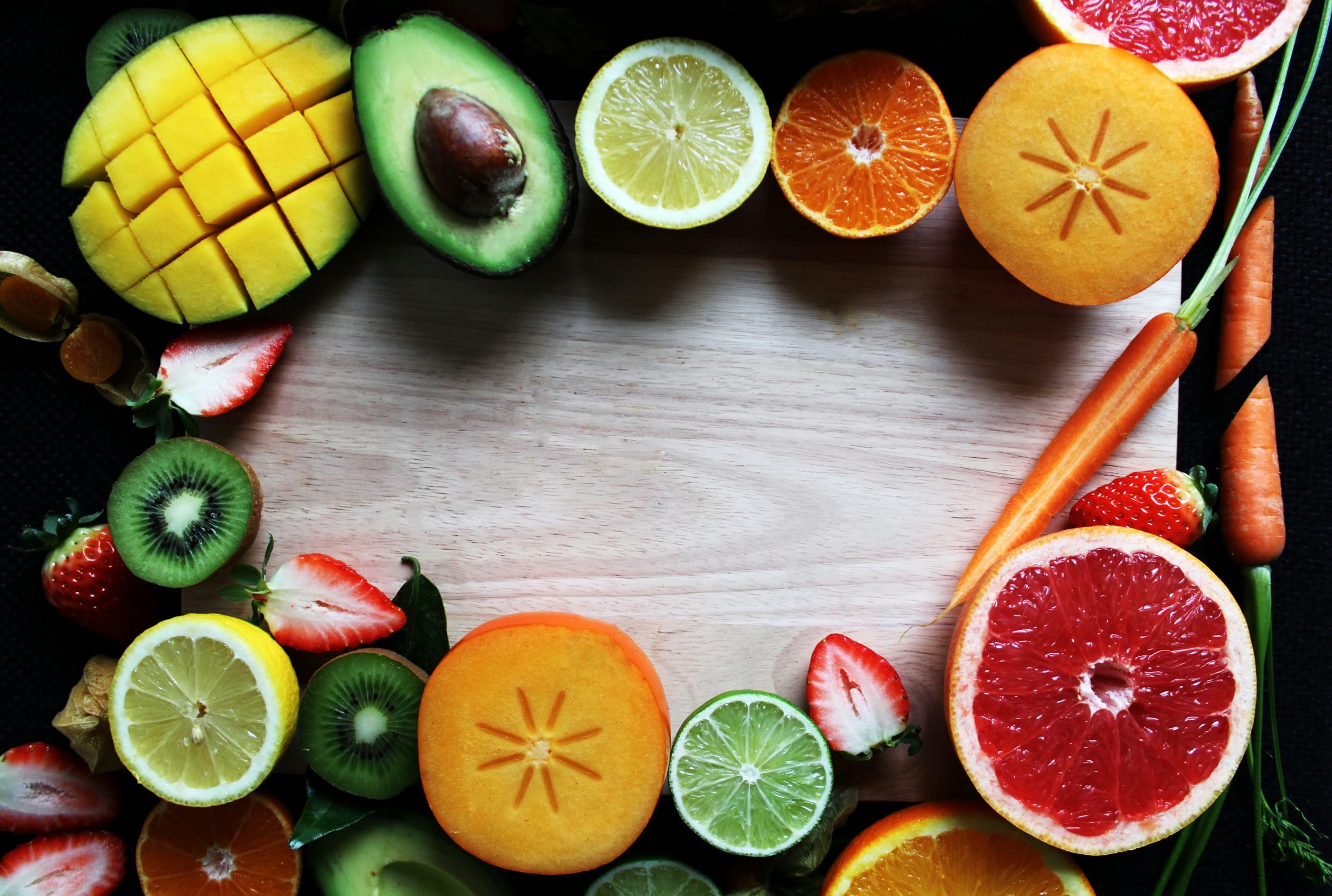
Top 10 Nutritious Foods to Check Out for Better Health
Eating well is one of the simplest ways to take better care of your body, but knowing nutritious foods that deserve a regular place on your plate can sometimes be confusing. With so many food options available, it is easy to spend money on meals that fill your stomach without providing enough of the nutrients your body needs.
The truth is that nutritious foods does not always require expensive ingredients, special diets or complicated meal plans. Some of the most nutritious foods are everyday ingredients that you can find in local markets and grocery stores. The important thing is knowing what they offer and how to combine them to get the best nutritional value.
From protein-rich foods that support muscle development to fruits and vegetables that provide essential vitamins, a balanced diet can make a meaningful difference to your overall well-being.
According to the World Health Organization (WHO), a healthy diet should provide adequate nutrition, maintain balance, encourage moderation and include a variety of foods. This means that relying on just one type of food, regardless of how nutritious it may be, is not the best approach.
Whether you want to improve your eating habits, support your immune system, maintain a healthy weight or simply make better food choices, exploring different nutritious foods is a good place to start.
Let’s look at ten healthy food options worth considering and what makes each one valuable.
Why You Should Include More Nutritious Foods in Your Diet
Your body needs different nutrients to function properly. These include carbohydrates, proteins, healthy fats, vitamins, minerals and dietary fibre. Each has a particular role, and getting enough of them through your meals helps support normal body functions.
For example, protein helps build and repair body tissues, carbohydrates provide energy, while vitamins and minerals support several processes, including immunity, bone health and normal blood circulation.
Including different nutritious foods in your meals can help you:
- Support normal immune system function.
- Maintain healthy bones and muscles.
- Improve digestive health through adequate fibre intake.
- Provide your body with energy for everyday activities.
- Support normal heart and brain function.
- Reduce the likelihood of nutritional deficiencies.
- Maintain a balanced and sustainable eating pattern.
It is also worth remembering that healthy eating is not about completely avoiding your favourite meals. It is about making better choices more often and ensuring that your diet contains a reasonable variety of nutrient-rich ingredients.
Top 10 Nutritious Foods to Check Out for Better Health
The following foods offer different nutritional benefits. Some are excellent sources of protein, others provide vitamins and minerals, while several supply fibre and healthy fats.
1. Eggs: One of the Best Nutritious Foods for Protein
Eggs are among the most convenient and versatile nutritious foods you can include in your diet. They are relatively affordable, easy to prepare and provide several important nutrients in a small serving.
One of their biggest advantages is their protein content. Protein is essential for building and repairing body tissues, supporting muscle development and maintaining several important body functions.
Eggs also provide nutrients such as vitamin B12, vitamin D, selenium and choline. Choline is particularly important because the body uses it to support normal brain function, cell structure and other processes.
Another advantage is that eggs can easily fit into different eating patterns. You do not need an elaborate recipe to enjoy their nutritional benefits.
Health benefits of eating eggs include:
- Providing high-quality protein for muscle maintenance and tissue repair.
- Supporting normal brain function through choline.
- Supplying vitamin B12, which helps maintain healthy nerve function and red blood cell production.
- Providing selenium, an important mineral involved in antioxidant defence.
- Contributing vitamin D to the diet.
How to include eggs in your meals:
- Eat boiled eggs alongside whole-grain bread.
- Prepare a vegetable omelette with tomatoes, onions and spinach.
- Add boiled eggs to a balanced breakfast.
- Combine eggs with beans or other protein-rich foods.
Although eggs are nutritious, preparation matters. Boiling, poaching and using moderate amounts of cooking oil are generally better everyday options than repeatedly deep-frying them.
People with specific dietary restrictions or medical conditions may also need individual advice about their egg consumption.
2. Spinach and Other Green Leafy Vegetables: Nutritious Foods Rich in Vitamins
Green leafy vegetables deserve a regular place in a healthy diet because they provide several essential vitamins, minerals and beneficial plant compounds.
Spinach is a particularly good example. It contains vitamin K, vitamin A precursors, folate, vitamin C and minerals such as iron and magnesium. These nutrients contribute to different body functions, including normal blood clotting, vision, cell development and muscle function.
However, spinach is not the only nutritious leafy vegetable worth considering. In Nigeria, vegetables such as ugu (fluted pumpkin leaves), waterleaf and bitter leaf are also valuable additions to everyday meals.
For people who want to improve the nutritional quality of their meals without spending too much money, locally available green vegetables are practical options.
Health benefits of green leafy vegetables include:
- Providing vitamin K, which contributes to normal blood clotting and bone health.
- Supplying folate, which supports normal cell division and growth.
- Providing carotenoids that the body can use to produce vitamin A.
- Contributing dietary fibre for digestive health.
- Supplying minerals such as magnesium and potassium.
Simple ways to eat more leafy vegetables:
- Add spinach or ugu to vegetable soups.
- Include leafy vegetables in your beans or rice dishes.
- Prepare vegetable sauces to accompany boiled yam or sweet potatoes.
- Add fresh, properly washed vegetables to suitable salads.
One important consideration is preparation. Wash vegetables thoroughly under clean running water before cooking. Avoid unnecessary overcooking, as prolonged exposure to heat can reduce some heat-sensitive vitamins.
People taking blood-thinning medication such as warfarin should also maintain a consistent intake of vitamin K-rich vegetables and discuss dietary changes with their healthcare provider.
3. Beans: Affordable Nutritious Foods for Protein and Fibre
Beans are among the most valuable plant-based foods for anyone looking to improve their daily nutrition. They are affordable, filling and provide a combination of protein, carbohydrates, dietary fibre and essential minerals.
For households looking for nutritious meals without spending excessively, beans are particularly useful.
Different varieties, including brown beans, black-eyed peas and kidney beans, offer slightly different nutritional profiles, but they all provide valuable nutrients.
One of the biggest advantages of beans is their fibre content. Dietary fibre supports digestion, helps maintain bowel regularity and contributes to a feeling of fullness after meals.
Beans also contain plant-based protein, making them an excellent option for people who eat less meat or want to include more plant proteins in their diets.
Health benefits of eating beans include:
- Providing plant-based protein for tissue maintenance and repair.
- Supporting digestive health through dietary fibre.
- Supplying iron, which contributes to normal red blood cell production.
- Providing folate, magnesium and potassium.
- Helping meals remain satisfying for longer.
- Offering a useful alternative to some animal-based protein sources.
Practical ways to include beans in your diet:
- Prepare traditional Nigerian beans porridge.
- Eat cooked beans with boiled plantain.
- Combine beans with rice for a filling meal.
- Prepare akara using properly processed beans.
- Add beans to vegetable-based dishes.
To improve iron absorption from plant foods, consider eating beans alongside vitamin C-rich foods such as tomatoes, oranges or peppers.
Another important point is proper preparation. Dried kidney beans, in particular, must be soaked where appropriate and thoroughly boiled until completely tender. Raw or undercooked kidney beans can contain naturally occurring toxins that cause illness.
4. Fish: Nutritious Foods That Support Heart and Brain Health
Fish is another excellent food to consider when planning a balanced diet. It provides high-quality protein and, depending on the variety, important omega-3 fatty acids.
Omega-3 fatty acids are healthy fats that play important roles in the body, particularly in maintaining normal brain and heart function.
Fatty fish such as sardines, salmon, mackerel and herring are particularly useful sources of these fats. In Nigeria, commonly available options such as fresh mackerel, sardines and other local fish can also contribute valuable nutrients to your diet.
Fish provides more than protein and omega-3 fats. It can also supply vitamin B12, vitamin D, selenium and iodine, depending on the species.
Health benefits of including fish in your diet include:
- Supplying protein for muscle development and tissue repair.
- Providing omega-3 fatty acids that support normal heart and brain function.
- Contributing vitamin B12 for healthy nerve function.
- Supplying selenium, which supports normal antioxidant processes.
- Providing vitamin D in certain varieties.
Healthy ways to prepare fish include:
- Grilling fresh fish.
- Steaming fish with vegetables.
- Preparing fish pepper soup.
- Adding fish to vegetable soups.
- Baking fish with moderate amounts of seasoning and oil.
Fish can be particularly beneficial when it replaces less healthy processed meat options in regular meals.
However, not all fish have the same nutritional profile. Some large predatory fish contain higher levels of mercury, so it is advisable to choose a variety of lower-mercury fish, particularly for pregnant women and young children.
5. Sweet Potatoes: Nutritious Foods for Energy and Digestive Health
Sweet potatoes are popular in many households because they are affordable, satisfying and easy to prepare. Beyond their pleasant taste, they provide several nutrients that make them a valuable addition to a balanced diet.
They are a source of carbohydrates, which provide energy for daily activities. They also contain dietary fibre, potassium and vitamin C.
Orange-fleshed sweet potatoes are particularly rich in beta-carotene, a plant pigment that the body converts into vitamin A. Vitamin A supports normal vision, immune function and healthy skin.
The fibre content of sweet potatoes also makes them useful for people looking to improve their overall digestive health.
Health benefits of sweet potatoes include:
- Providing energy through carbohydrates.
- Supplying beta-carotene, which supports vitamin A intake.
- Contributing dietary fibre for digestive health.
- Providing potassium, which supports normal muscle and nerve function.
- Supplying vitamin C, which contributes to normal immune function.
Ways to enjoy sweet potatoes:
- Boil them and serve with vegetable sauce.
- Roast them as a snack or side dish.
- Combine boiled sweet potatoes with beans.
- Prepare sweet potato porridge with vegetables and fish.
- Add them to balanced meals containing protein and leafy vegetables.
For better everyday nutrition, boiling, steaming and roasting are generally preferable to deep-frying. Eating sweet potatoes with a source of protein and vegetables can also make a meal more balanced.
Sweet potatoes are nutritious, but they still contain carbohydrates. People managing blood glucose levels should consider their portions and overall meal composition rather than assuming that a particular food is automatically suitable in unlimited quantities.
6. Oats: Nutritious Foods for Fibre and Lasting Energy
Oats are among the most nutritious whole grains you can add to your daily meals. They are particularly popular as a breakfast option because they are easy to prepare, filling and provide several nutrients that support good health.
One of the most valuable components of oats is beta-glucan, a type of soluble dietary fibre. This fibre helps slow digestion, supports healthy cholesterol levels and can contribute to better blood sugar regulation.
Oats also contain protein, magnesium, phosphorus, zinc and B vitamins, which help support normal energy production and other important body functions.
Unlike some highly refined breakfast cereals, plain oats provide a good amount of fibre and can keep you satisfied for longer.
Health benefits of eating oats include:
- Supporting digestive health through soluble and insoluble fibre.
- Helping maintain healthy cholesterol levels.
- Supporting better blood sugar management when included in a balanced diet.
- Providing minerals such as magnesium, phosphorus and zinc.
- Helping you feel satisfied after meals, which may support appetite management.
Simple ways to include oats in your diet:
- Prepare oatmeal with milk and fresh bananas.
- Combine oats with groundnuts and sliced fruits.
- Add oats to homemade smoothies.
- Prepare overnight oats for a convenient breakfast.
- Use oat flour as an ingredient in selected homemade recipes.
When buying oats, consider plain, unsweetened varieties rather than products containing excessive added sugar, artificial flavourings or unnecessary sweeteners.
Oats are also not limited to breakfast. You can use them in homemade snacks and other meals when looking for ways to increase your fibre intake.
7. Nuts and Seeds: Nutritious Foods Rich in Healthy Fats
Nuts and seeds are small foods with impressive nutritional value. Although they are often eaten as snacks, they can contribute important nutrients to your regular meals.
Examples include groundnuts, almonds, walnuts, cashew nuts, pumpkin seeds, sesame seeds and sunflower seeds.
These foods provide healthy unsaturated fats, plant-based protein, dietary fibre and several important minerals. Some varieties also contain vitamin E, magnesium, zinc and iron.
Groundnuts are particularly accessible in Nigeria and provide a practical, affordable option for people looking to include more plant-based protein and healthy fats in their diets.
Seeds such as pumpkin seeds and sesame seeds also offer valuable nutrients that can complement an otherwise ordinary meal.
Health benefits of nuts and seeds include:
- Providing healthy fats that support normal heart function.
- Supplying plant-based protein.
- Contributing dietary fibre for digestive health.
- Providing vitamin E, which helps protect cells from oxidative damage.
- Supplying minerals such as magnesium, zinc and iron.
- Helping meals and snacks remain satisfying.
Ways to include nuts and seeds in your diet:
- Eat a small handful of groundnuts as a snack.
- Add groundnuts to suitable homemade vegetable dishes.
- Sprinkle pumpkin or sesame seeds over salads.
- Mix crushed nuts into oatmeal.
- Add groundnut paste to selected homemade smoothies.
However, portion control is important. Nuts and seeds are energy-dense, meaning they contain considerable calories in relatively small quantities. Eating reasonable portions is therefore advisable, particularly if you are monitoring your overall calorie intake.
Choose unsalted or lightly salted varieties where possible. Also, people with nut allergies should avoid the specific nuts or seeds that trigger their reactions and seek appropriate medical advice.
8. Fruits: Nutritious Foods for Vitamins and Antioxidants
Fruits are among the easiest nutritious foods to incorporate into your daily routine. They provide natural carbohydrates, dietary fibre, vitamins, minerals and beneficial plant compounds.
Different fruits contain different nutrients, which is why eating a variety is more beneficial than depending on just one type.
For instance, oranges are well known for their vitamin C content, bananas provide potassium and vitamin B6, while pawpaw contains vitamin C, folate and carotenoids.
Other nutritious options include watermelon, pineapple, mangoes, apples, guavas and berries.
These fruits can help improve the nutritional quality of your meals while providing natural sweetness that may reduce the desire for heavily sweetened snacks.
Health benefits of eating fruits include:
- Supporting normal immune system function through nutrients such as vitamin C.
- Providing dietary fibre that supports healthy digestion.
- Supplying antioxidants and other beneficial plant compounds.
- Contributing potassium, which supports normal blood pressure regulation.
- Providing hydration through their natural water content.
- Helping satisfy sweet cravings without relying entirely on sugary snacks.
Some fruits and their nutritional benefits include:
- Oranges: Provide vitamin C and folate.
- Bananas: Supply potassium, vitamin B6 and carbohydrates.
- Pawpaw: Contains vitamin C, folate and carotenoids.
- Watermelon: Provides water, vitamin C and lycopene.
- Guava: Offers vitamin C and dietary fibre.
- Mangoes: Supply beta-carotene, vitamin C and folate.
Simple ways to eat more fruits:
- Eat a banana alongside breakfast.
- Enjoy oranges as a midday snack.
- Include sliced pawpaw in your breakfast.
- Prepare a fruit salad using different seasonal fruits.
- Add fresh fruits to plain yoghurt or oatmeal.
Whenever possible, eat whole fruits instead of depending heavily on fruit juices. Whole fruits retain their natural fibre, which is often reduced or removed during juicing.
You should also wash fruits properly before eating them, especially when consuming their skin.
9. Yoghurt: Nutritious Foods for Protein and Digestive Health
Yoghurt is another nutritious food that can make a valuable contribution to a balanced diet. It is produced through the fermentation of milk using specific bacterial cultures.
One of its main nutritional advantages is that it provides protein and calcium. Protein supports tissue repair and muscle maintenance, while calcium contributes to healthy bones and teeth.
Some yoghurt varieties also contain live microorganisms known as probiotics. These beneficial microorganisms can help support the balance of bacteria in the digestive system.
However, not every yoghurt product offers the same nutritional benefits. Some commercially available varieties contain considerable amounts of added sugar, artificial flavourings and sweeteners.
For this reason, plain, unsweetened yoghurt is often a better everyday choice.
Health benefits of eating yoghurt include:
- Providing calcium for healthy bones and teeth.
- Supplying protein for muscle maintenance and tissue repair.
- Supporting digestive health through live bacterial cultures in suitable products.
- Providing vitamin B12 and phosphorus.
- Contributing to a balanced breakfast or snack.
Ways to include yoghurt in your diet:
- Eat plain yoghurt with sliced bananas.
- Combine yoghurt with pawpaw or watermelon.
- Add yoghurt to homemade fruit smoothies.
- Use plain yoghurt as an ingredient in selected homemade sauces.
- Combine yoghurt with oats and groundnuts for a filling breakfast.
If you are lactose intolerant, you may find that some yoghurt varieties are easier to tolerate than regular milk, although this varies from person to person. Lactose-free yoghurt is another option.
It is also important to check product labels. Look for yoghurt with live cultures and minimal added sugar rather than assuming every product marketed as yoghurt is automatically healthy.
10. Whole Grains: Nutritious Foods for Fibre and Sustained Energy
Whole grains are another important food group that deserves attention when discussing healthy eating.
Unlike refined grains, whole grains retain all three major parts of the grain: the bran, germ and endosperm. These components contain different nutrients, including fibre, B vitamins, minerals, healthy fats and plant compounds.
Examples of whole grains include oats, brown rice, whole wheat, millet, sorghum and unprocessed maize.
In Nigeria, traditional staples such as millet, guinea corn and whole maize can provide useful alternatives to relying entirely on highly refined grains.
One important benefit of whole grains is their fibre content. Fibre supports digestion and can help maintain a feeling of fullness after meals.
Whole grains also provide carbohydrates, which are an important source of energy for the body.
Health benefits of whole grains include:
- Supporting digestive health through dietary fibre.
- Providing carbohydrates for daily energy requirements.
- Supplying B vitamins that help the body use energy from food.
- Contributing minerals such as magnesium, iron and zinc.
- Supporting healthy cholesterol levels as part of a balanced eating pattern.
- Helping maintain more stable blood sugar responses compared with many refined grain alternatives.
Ways to include whole grains in your meals:
- Choose brown rice occasionally instead of always eating white rice.
- Prepare millet porridge for breakfast.
- Use whole-wheat flour in selected homemade recipes.
- Include oats in your regular breakfast.
- Enjoy properly prepared maize-based meals.
- Combine whole grains with beans, fish or vegetables.
It is worth noting that not every product labelled as whole grain is automatically healthy. Some packaged whole-grain products still contain excessive added sugar or salt. Always check the ingredient list and nutritional information.
Making a gradual switch from refined grains to less processed alternatives is a practical way to improve the nutritional quality of your meals.
Nutritional Comparison of the Top 10 Nutritious Foods to Check Out
Now that we have explored all ten foods, it is useful to compare the major nutrients each one provides.
The table below highlights some of their key nutritional contributions.
| Food | Major nutrients | Main nutritional contribution |
|---|---|---|
| Eggs | Protein, choline, vitamin B12 | Muscle and brain function |
| Spinach and leafy vegetables | Vitamins A, C, K, folate | Immunity and general body function |
| Beans | Protein, fibre, iron, folate | Digestion and tissue maintenance |
| Fish | Protein, omega-3, vitamin B12 | Heart and brain function |
| Sweet potatoes | Carbohydrates, fibre, beta-carotene | Energy and vision support |
| Oats | Fibre, magnesium, zinc | Digestion and cholesterol management |
| Nuts and seeds | Healthy fats, protein, vitamin E | Heart health and cell protection |
| Fruits | Vitamins, fibre, antioxidants | Immunity and digestive health |
| Yoghurt | Protein, calcium, live cultures | Bone and digestive health |
| Whole grains | Fibre, B vitamins, minerals | Energy and digestive health |
Note: The exact nutrient content varies depending on the food variety, serving size, growing conditions and preparation method.
How to Combine These Nutritious Foods for a Balanced Diet
Knowing which foods are nutritious is important, but knowing how to combine them is equally valuable.
You do not necessarily need to eat all ten foods every day. Instead, focus on creating meals that provide different nutrients without making your diet unnecessarily complicated or expensive.
For example, eating beans alone provides useful nutrients, but combining beans with vegetables and a suitable source of healthy fat can improve the overall nutritional variety of the meal.
Here are some practical meal combinations worth trying:
Breakfast ideas
- Boiled eggs with whole-grain bread and an orange.
- Oatmeal prepared with milk and sliced bananas.
- Plain yoghurt with pawpaw and groundnuts.
- Millet porridge with a boiled egg.
Lunch ideas
- Brown rice with fish and vegetable sauce.
- Beans porridge with spinach or ugu.
- Boiled sweet potatoes with grilled fish.
- Whole-grain meals accompanied by vegetables and beans.
Dinner ideas
- Vegetable soup with fish and a suitable staple.
- Beans with boiled plantain.
- Grilled fish with vegetables and a moderate serving of whole grains.
- Sweet potato porridge with vegetables.
A useful approach is to follow the general principles of the Harvard Healthy Eating Plate, which encourages making vegetables and fruits a major part of meals, alongside whole grains and healthy protein sources.
Important Tips for Getting the Best Nutritional Value From Your Food
Even when you choose nutritious ingredients, preparation and eating habits can influence the overall quality of your diet.
Consider these simple recommendations:
- Eat a variety of foods: Avoid depending on only one or two food groups. Different foods supply different nutrients.
- Reduce excessive frying: Boiling, steaming, grilling and baking are useful alternatives to frequent deep-frying.
- Limit added sugar: Reduce excessive consumption of sweetened beverages, flavoured yoghurt and sugary snacks.
- Watch your salt intake: Excessive salt consumption can contribute to high blood pressure.
- Eat enough vegetables and fruits: Make them a regular part of your meals rather than occasional additions.
- Drink sufficient water: Water supports digestion, temperature regulation and other important body functions.
- Choose locally available foods: Nutritious eating does not have to depend on expensive imported ingredients.
- Pay attention to food hygiene: Wash ingredients properly, cook foods thoroughly and store leftovers safely.
- Maintain reasonable portions: Even nutritious foods should be consumed in quantities appropriate for your energy needs.
The World Health Organization recommends a diverse eating pattern built around fruits, vegetables, legumes, nuts and whole grains, while limiting excessive salt, free sugars and unhealthy fats. These principles provide a useful foundation for everyday food choices.
Frequently Asked Questions About Nutritious Foods
1. What is the most nutritious food to eat every day?
There is no single food that provides every nutrient your body needs. Eggs, fish, beans, leafy vegetables, fruits and whole grains all offer different nutritional benefits. The best approach is to eat a variety of these foods regularly as part of a balanced diet.
2. Which nutritious foods are best for everyday energy?
Foods containing complex carbohydrates, protein and healthy fats can help provide energy and support normal body functions.
Some useful options include:
- Oats and other whole grains.
- Sweet potatoes.
- Beans.
- Eggs.
- Bananas.
- Groundnuts and other nuts.
Combining these foods with vegetables and adequate water intake can help support your daily nutritional needs.
3. Can I get enough nutrients from locally available Nigerian foods?
Absolutely. You do not need expensive imported foods to maintain a nutritious diet.
Many locally available Nigerian foods provide valuable nutrients, including:
- Ugu and other green leafy vegetables.
- Beans and groundnuts.
- Fresh fish and eggs.
- Sweet potatoes.
- Oranges, pawpaw and bananas.
- Millet, sorghum and maize.
The important thing is to eat a variety of foods and prepare them properly.
4. How many nutritious foods should I eat daily?
There is no fixed number of individual foods that everyone must eat daily. Your nutritional requirements depend on factors such as age, physical activity, health status and energy needs.
However, including different food groups in your daily meals is a sensible approach. The WHO recommends that people older than 10 years aim for at least 400 grams of fruits and vegetables daily.
5. Are nutritious foods helpful for weight management?
Yes. Many nutritious foods contain fibre and protein, which can help you feel satisfied after eating.
Beans, vegetables, fruits, oats, fish and eggs can all contribute to meals that support healthy weight management.
However, weight management also depends on portion sizes, total energy intake, physical activity, sleep and other lifestyle factors.
6. Are expensive foods more nutritious than affordable foods?
Not necessarily. The nutritional value of food does not always depend on its price.
For example, beans, eggs, ugu, groundnuts, sweet potatoes and locally available fish can provide valuable nutrients without requiring a large food budget.
Choosing affordable, nutrient-rich foods and combining them properly can be more useful than spending excessively on fashionable health foods.
Conclusion: Make These Top 10 Nutritious Foods Part of Your Everyday Diet
Eating nutritious foods is one of the most practical ways to support your overall health. From eggs and fish to beans, fruits, vegetables, oats and whole grains, each food offers something valuable that contributes to your body’s nutritional needs.
The good news is that you do not need to completely change your eating habits overnight. You can start with simple adjustments, such as adding vegetables to your regular meals, replacing some refined grains with whole grains, eating fruits more frequently and choosing healthier sources of protein.
If you live in Nigeria, locally available foods can provide many of the nutrients your body needs. The goal should not be to purchase every food on this list at once but to build a balanced eating pattern that is practical, affordable and sustainable.
Remember, good nutrition is not about eating one particular food because it is considered healthy. It is about consistently making better food choices and giving your body a reasonable variety of nutrients.
Start with what you can afford, make gradual improvements and develop eating habits that you can maintain over time. Your health benefits from the choices you make consistently.
You can also check out our related post below.