
Introduction
Staying physically fit is one of the most important things you can do to maintain good health especially when you know the right fitness workouts to observe at home. Unfortunately, many people believe that achieving a healthy and physically attractive body requires expensive gym memberships, professional fitness equipment or access to specialized training facilities. This belief often discourages people from exercising, especially those with busy schedules or limited financial resources.
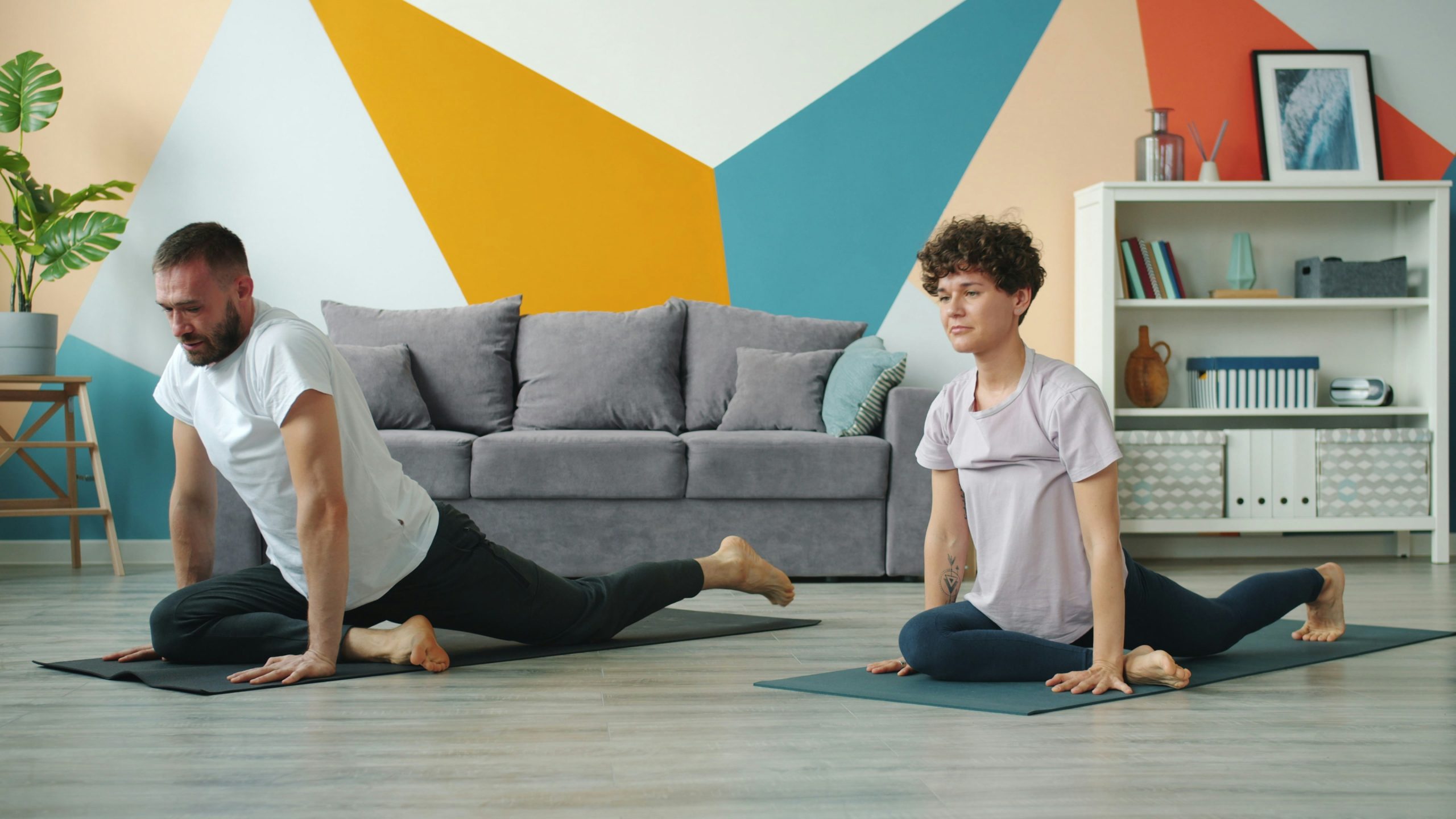
The good news is that you do not necessarily need a gym to stay active and improve your physical fitness. There are several effective fitness workouts to observe at home that can help strengthen your muscles, improve cardiovascular health, support weight management and increase flexibility.
Whether you are a beginner trying to become more active, someone hoping to lose excess body fat or an individual looking to maintain an already healthy body, home exercises offer a convenient way to achieve your fitness goals.
Another advantage is that most home workouts require little or no equipment. Simple activities such as squats, jumping jacks, push-ups, planks and walking can provide meaningful health benefits when performed consistently.
However, achieving results requires more than occasionally performing random exercises. You need to understand which workouts are suitable for your fitness level, how to perform them correctly and how frequently to exercise.
In this article, we explore some of the most effective fitness workouts to observe at home, their benefits and how to incorporate them into a practical exercise routine.
Why You Should Consider Fitness Workouts at Home
Home workouts offer several advantages that make regular physical activity easier to maintain. Unlike traditional gym sessions, you can exercise at a convenient time without worrying about transportation, membership fees or crowded facilities.
Here are some important reasons to consider exercising at home.
1. They Help Improve Overall Physical Fitness
Regular physical activity helps improve your body’s ability to perform everyday activities. Whether you are climbing stairs, carrying groceries, walking long distances or performing household chores, better physical fitness makes these activities easier.
Exercises that combine cardiovascular activity, strength training and flexibility can improve different aspects of your physical performance.
2. They Support Healthy Weight Management
One of the common reasons people exercise is to lose excess weight. Physical activity helps your body use energy, and combining regular exercise with healthy eating habits can support sustainable weight management.
Activities such as dancing, jogging in place, jumping jacks and mountain climbers can increase your heart rate and help burn calories.
However, no single exercise guarantees weight loss. Your overall eating habits, activity level, sleep and consistency all contribute to the outcome.
3. They Promote Better Heart Health
Your heart is a muscle that benefits from regular physical activity. Cardiovascular exercises encourage your heart and lungs to work more efficiently.
Activities such as brisk walking, skipping and aerobic dancing can improve cardiovascular fitness when performed at an appropriate intensity.
4. They Help Strengthen Muscles and Bones
Strength-training exercises challenge your muscles by making them work against resistance. This resistance can come from your body weight, exercise bands or simple household items.
Exercises such as squats, push-ups and lunges can help improve muscular strength and endurance.
Regular strength training also supports bone health and helps maintain muscle mass as you grow older.
5. They Can Improve Mood and Sleep
Exercise is not only beneficial to your physical appearance. It can also support mental well-being.
Regular physical activity can help reduce feelings of anxiety, improve mood and promote better sleep. It also provides an opportunity to take a break from daily stress and concentrate on your well-being.
Fitness Workouts to Observe at Home for Better Results
There are different types of home exercises, and each serves a particular purpose. Some focus on increasing heart rate, while others concentrate on building muscle strength, improving flexibility or developing better balance.
For a balanced fitness routine, it is advisable to combine different exercise types rather than concentrating on only one.
Here are some effective options you can incorporate into your home fitness programme.
1. Jumping Jacks
Jumping jacks are among the simplest cardiovascular exercises you can perform at home. They require no equipment and can be performed in a relatively small space.
The exercise involves jumping while spreading your legs and raising your arms above your head, then returning to the starting position.
How to perform jumping jacks:
- Stand upright with your feet together and arms resting beside your body.
- Jump while spreading your legs apart.
- Simultaneously raise both arms above your head.
- Jump again to bring your feet together while lowering your arms.
- Repeat the movement at a comfortable pace.
Benefits of jumping jacks:
- Increase your heart rate.
- Improve cardiovascular endurance.
- Engage several muscle groups.
- Help develop coordination.
- Support calorie expenditure.
Beginners can start with 15–20 repetitions and gradually increase as their endurance improves. If jumping causes discomfort, try stepping one foot out at a time instead.
2. Squats
Squats are excellent lower-body exercises that target the muscles around your thighs, hips and buttocks.
They are particularly useful for people who want to improve leg strength and make everyday movements such as sitting, standing and climbing stairs easier.
How to perform squats:
- Stand with your feet approximately shoulder-width apart.
- Keep your chest upright and your back in a comfortable neutral position.
- Slowly bend your knees and push your hips backwards as if sitting on an imaginary chair.
- Lower yourself as far as comfortable without losing control.
- Push through your feet to return to the standing position.
Benefits of squats:
- Strengthen the thigh muscles.
- Improve lower-body endurance.
- Support hip mobility.
- Develop balance and coordination.
- Strengthen muscles used in everyday movements.
Start with 10–12 repetitions and increase gradually. If regular squats are difficult, use a stable chair to guide your movement.
3. Push-Ups
Push-ups are popular bodyweight exercises that help strengthen the upper body. They mainly target the chest, shoulders and triceps while engaging the abdominal muscles.
Although they may seem challenging initially, beginners can modify the movement by performing push-ups against a wall or with their knees supported.
How to perform push-ups:
- Place your hands on the floor slightly wider than your shoulders.
- Extend your legs behind you while supporting your body with your hands and toes.
- Keep your body aligned from your shoulders towards your heels.
- Slowly bend your elbows to lower your chest towards the floor.
- Push yourself upwards until your arms are extended again.
Benefits of push-ups:
- Strengthen chest muscles.
- Improve shoulder stability.
- Develop arm strength.
- Engage the abdominal muscles.
- Improve upper-body endurance.
Beginners can start with five repetitions or use wall push-ups before progressing to the traditional version.
4. Planks
Planks are effective exercises for strengthening the muscles responsible for stabilizing your body, particularly the abdominal and lower-back muscles.
Unlike some exercises that involve repeated movement, planks require you to maintain a controlled position for a specific period.
How to perform a plank:
- Lie face down on the floor.
- Position your elbows directly beneath your shoulders.
- Lift your body while supporting yourself on your forearms and toes.
- Keep your body reasonably straight without allowing your hips to drop or rise excessively.
- Tighten your abdominal muscles and maintain the position.
Benefits of planks:
- Strengthen core muscles.
- Improve body stability.
- Support better posture.
- Develop muscular endurance.
- Improve control during other physical activities.
Beginners can start by holding the position for 10–15 seconds and gradually increase the duration.
5. Lunges
Lunges are lower-body exercises that help strengthen your thighs, buttocks and hips. They also challenge your balance because each leg performs the movement separately.
How to perform lunges:
- Stand upright with your feet comfortably apart.
- Take a controlled step forward with one leg.
- Slowly bend both knees while lowering your body.
- Keep your front knee aligned with your foot.
- Push through your front foot to return to the starting position.
- Repeat with the opposite leg.
Benefits of lunges:
- Strengthen the thigh muscles.
- Develop stronger glutes.
- Improve balance and coordination.
- Support lower-body stability.
- Help improve functional movement.
Start with five to eight repetitions on each leg. You can hold a stable chair or wall for support if necessary.
6. Mountain Climbers
Mountain climbers combine cardiovascular activity with core engagement. They involve alternating your knees towards your chest while maintaining a position similar to a high plank.
How to perform mountain climbers:
- Begin in a high plank position with your palms on the floor.
- Keep your arms extended and your body aligned.
- Bring your right knee towards your chest.
- Return your right leg to its original position.
- Immediately bring your left knee towards your chest.
- Continue alternating your legs.
Benefits of mountain climbers:
- Engage the abdominal muscles.
- Increase cardiovascular activity.
- Improve coordination.
- Strengthen the shoulders.
- Develop muscular endurance.
Beginners should perform the movement slowly, concentrating on proper positioning rather than speed.
7. High Knees
High knees are another useful cardiovascular exercise that can be performed without equipment.
The movement involves running or marching in place while lifting your knees towards your waist.
How to perform high knees:
- Stand upright with your feet slightly apart.
- Begin jogging gently in place.
- Lift one knee towards your waist.
- Lower it and immediately lift the opposite knee.
- Continue alternating while moving your arms naturally.
Benefits of high knees:
- Increase heart rate.
- Improve cardiovascular endurance.
- Strengthen leg muscles.
- Develop coordination.
- Support calorie expenditure.
If you are a beginner, start with marching rather than running. Increase your speed only when you become comfortable with the movement.
8. Glute Bridges
Glute bridges are particularly useful for strengthening the buttocks, hips and muscles around the lower body. They are also suitable for people who prefer exercises that do not require standing or jumping.
How to perform glute bridges:
- Lie on your back with your knees bent.
- Keep your feet flat on the floor and your arms beside your body.
- Tighten your abdominal muscles.
- Slowly lift your hips towards the ceiling.
- Squeeze your buttocks gently at the top.
- Lower your hips under control.
Benefits of glute bridges:
- Strengthen the gluteal muscles.
- Improve hip stability.
- Engage the abdominal muscles.
- Develop lower-body strength.
- Support better movement control.
Start with 10–12 repetitions and increase gradually as your strength improves.
9. Jump Rope or Skipping
Skipping is a popular cardiovascular workout that can improve endurance and coordination. It requires a skipping rope and enough space to perform the movement safely.
How to perform skipping:
- Hold one end of the rope in each hand.
- Position the rope behind your feet.
- Swing it over your head and jump lightly as it approaches your feet.
- Continue at a steady and comfortable pace.
Benefits of skipping:
- Improves cardiovascular endurance.
- Develops coordination.
- Engages several muscle groups.
- Supports calorie expenditure.
- Can improve agility.
If you do not have a skipping rope, you can perform imaginary skipping by making the same movements without the equipment.
People with joint problems should consider lower-impact alternatives.
10. Walking in Place
Walking in place is a simple exercise that almost anyone can incorporate into a home fitness routine.
It is particularly suitable for beginners, older adults and people who are returning to physical activity after spending a long time being inactive.
How to perform walking in place:
- Stand upright with your feet comfortably apart.
- Lift one foot slightly off the ground.
- Lower it and repeat with the opposite foot.
- Swing your arms naturally as you move.
- Maintain a steady rhythm.
Benefits of walking in place:
- Encourages daily physical activity.
- Improves cardiovascular fitness.
- Helps reduce prolonged sitting.
- Supports mobility.
- Provides a low-impact exercise option.
You can gradually increase your pace, duration or knee height as your fitness improves.
11. Bicycle Crunches
Bicycle crunches are effective abdominal exercises that engage several muscles around your stomach and core. They involve alternating your elbows towards the opposite knees while lying on your back.
Unlike ordinary crunches, this movement involves rotation, which makes it useful for engaging the muscles along the sides of your abdomen.
How to perform bicycle crunches:
- Lie flat on your back with your knees bent and feet slightly raised.
- Place your hands gently behind your head without pulling your neck.
- Lift your shoulders slightly off the floor.
- Bring your right elbow towards your left knee while extending your right leg.
- Switch sides by bringing your left elbow towards your right knee.
- Continue alternating in a controlled movement.
Benefits of bicycle crunches:
- Strengthen abdominal muscles.
- Improve core stability.
- Engage the muscles around your waist.
- Develop coordination.
- Improve muscular endurance.
Beginners can start with 10 repetitions on each side. Avoid pulling your neck or rushing through the movement.
It is important to understand that abdominal exercises strengthen your core but do not independently eliminate belly fat. Reducing overall body fat requires a combination of physical activity and appropriate eating habits.
12. Burpees
Burpees are full-body exercises that combine several movements into one continuous activity. They involve squatting, moving into a plank position, returning to a standing position and sometimes adding a jump.
They are particularly useful for people looking to improve cardiovascular endurance while engaging multiple muscle groups.
How to perform burpees:
- Stand upright with your feet shoulder-width apart.
- Lower your body into a squat position.
- Place both hands on the floor in front of your feet.
- Step or jump your feet backwards into a plank position.
- Bring your feet forward again.
- Stand upright and perform a small jump if comfortable.
- Repeat the movement.
Benefits of burpees:
- Engage several muscle groups.
- Improve cardiovascular endurance.
- Develop muscular coordination.
- Strengthen the legs, arms and core.
- Increase overall physical endurance.
Burpees can be physically demanding, especially for beginners. You can remove the jumping movements and step backwards instead of jumping to make the exercise easier.
13. Standing Calf Raises
Standing calf raises are simple exercises that help strengthen the muscles at the back of your lower legs.
Although they may appear basic, these muscles play an important role in walking, running, jumping and maintaining balance.
How to perform calf raises:
- Stand upright with your feet approximately hip-width apart.
- Hold the back of a stable chair for support if necessary.
- Slowly raise your heels until you are standing on your toes.
- Hold the position briefly.
- Lower your heels gently back to the floor.
- Repeat the movement.
Benefits of calf raises:
- Strengthen lower-leg muscles.
- Improve ankle stability.
- Support balance and coordination.
- Improve muscular endurance.
- Help develop stronger legs.
Start with 10–15 repetitions and increase gradually as your strength improves.
14. Side Leg Raises
Side leg raises are useful for strengthening the muscles around your hips and outer thighs. They are particularly suitable for people who want to improve lower-body strength without performing high-impact movements.
How to perform side leg raises:
- Lie on your side with both legs extended.
- Support your head comfortably with your lower arm.
- Slowly raise your upper leg while keeping it straight.
- Avoid rotating your hips or leaning backwards.
- Lower your leg slowly.
- Complete your repetitions before changing sides.
Benefits of side leg raises:
- Strengthen the outer hip muscles.
- Improve hip stability.
- Engage the thigh muscles.
- Support better balance.
- Improve lower-body control.
Beginners can start with 10 repetitions on each side.
15. Yoga and Basic Stretching Exercises
Yoga and stretching are valuable additions to any home fitness programme. While some exercises focus on increasing strength or heart rate, stretching helps improve flexibility and movement.
Yoga also combines controlled body movements, balance, breathing and concentration.
Some simple movements you can practise at home include:
- Child’s pose: Helps gently stretch your back and hips.
- Cat-cow stretch: Encourages gentle movement through your spine.
- Standing side stretch: Helps stretch the muscles along your sides.
- Seated forward bend: Gently stretches the back of your legs.
- Standing quadriceps stretch: Stretches the muscles at the front of your thighs.
Benefits of yoga and stretching:
- Improve flexibility.
- Support better movement.
- Encourage relaxation.
- Improve balance.
- Help reduce muscle stiffness.
Avoid forcing your body into uncomfortable positions. Stretch gently and breathe normally throughout each movement.
Comparison of the Best Fitness Workouts to Observe at Home
Although all the exercises discussed above offer health benefits, they do not serve exactly the same purpose. Some are more suitable for cardiovascular fitness, while others are better for developing muscular strength and flexibility.
The following table provides a simple comparison to help you choose suitable exercises.
| Exercise | Primary focus | Equipment needed | Difficulty |
|---|---|---|---|
| Jumping jacks | Cardio fitness | None | Easy |
| Squats | Leg strength | None | Easy |
| Push-ups | Upper-body strength | None | Moderate |
| Planks | Core strength | None | Moderate |
| Lunges | Leg strength and balance | None | Moderate |
| Mountain climbers | Cardio and core | None | Moderate |
| High knees | Cardio fitness | None | Easy |
| Glute bridges | Hip and glute strength | None | Easy |
| Skipping | Cardio and coordination | Skipping rope | Moderate |
| Walking in place | General fitness | None | Easy |
| Bicycle crunches | Abdominal strength | None | Moderate |
| Burpees | Full-body fitness | None | Difficult |
| Calf raises | Lower-leg strength | None | Easy |
| Side leg raises | Hip strength | None | Easy |
| Yoga and stretching | Flexibility and balance | Mat optional | Easy to moderate |
The difficulty levels are general guides rather than fixed ratings. Your experience, physical condition and exercise technique can influence how challenging each movement feels.
For beginners, it is advisable to start with easier movements before gradually introducing more demanding exercises.
How to Create an Effective Home Fitness Workout Routine
Knowing different exercises is important, but having a consistent workout schedule makes it easier to achieve meaningful results.
You do not need to perform all 15 exercises every day. Instead, select a combination that targets different muscle groups and gives your body enough time to recover.
Here is a simple weekly workout routine you can follow at home.
Monday: Full-Body Fitness Workout
Start the week with exercises that engage different parts of your body.
- Jumping jacks: 2 sets of 15 repetitions.
- Squats: 2 sets of 12 repetitions.
- Push-ups: 2 sets of 8 repetitions.
- Planks: 2 sets of 15 seconds.
- Glute bridges: 2 sets of 12 repetitions.
Rest briefly between sets and adjust the repetitions to your ability.
Tuesday: Cardiovascular Fitness Workout
Concentrate on activities that increase your heart rate.
- Walking in place: 5 minutes.
- High knees or marching: 2 minutes.
- Jumping jacks: 2 sets of 15 repetitions.
- Skipping: 3 minutes.
- Gentle stretching: 5 minutes.
You can replace skipping with brisk walking in place if jumping is uncomfortable.
Wednesday: Lower-Body Fitness Workout
Give your legs and hips some attention.
- Squats: 2 sets of 12 repetitions.
- Lunges: 2 sets of 8 repetitions per leg.
- Calf raises: 2 sets of 15 repetitions.
- Side leg raises: 2 sets of 10 repetitions per side.
- Glute bridges: 2 sets of 12 repetitions.
Thursday: Active Recovery and Flexibility
This day should involve gentle movements rather than demanding exercises.
- Gentle walking: 10–15 minutes.
- Child’s pose: 20 seconds.
- Cat-cow stretch: 10 repetitions.
- Standing side stretch: 20 seconds per side.
- Gentle leg stretches.
Active recovery allows you to remain physically active without placing excessive demands on your muscles.
Friday: Upper-Body and Core Fitness Workout
Concentrate on strengthening your upper body and abdominal muscles.
- Push-ups: 2 sets of 8 repetitions.
- Wall push-ups: 2 sets of 10 repetitions.
- Planks: 2 sets of 20 seconds.
- Bicycle crunches: 2 sets of 10 repetitions per side.
- Mountain climbers: 2 sets of 10 repetitions per leg.
Saturday: Full-Body Cardio and Strength
Combine different movements to challenge your body.
- Jumping jacks: 2 sets of 20 repetitions.
- Squats: 2 sets of 12 repetitions.
- High knees: 2 minutes.
- Lunges: 2 sets of 8 repetitions per leg.
- Glute bridges: 2 sets of 15 repetitions.
Sunday: Rest and Recovery
Allow your body to recover from the week’s activities.
You can take a gentle walk, perform light stretching or simply rest if you feel physically tired.
Remember that recovery is an important part of fitness. Exercising continuously without allowing your body to recover can make it difficult to maintain your routine.
How Much Exercise Do You Need at Home?
One common question among people starting home workouts is how long they should exercise each day.
The answer depends on your age, physical condition, fitness goals and the intensity of your activities.
However, established health recommendations provide a useful starting point.
According to the CDC’s essential physical activity guidelines for adults, adults should aim for at least 150 minutes of moderate-intensity physical activity each week, alongside muscle-strengthening activities on at least two days.
This could mean:
- 30 minutes of moderate exercise, five days a week.
- 20–30 minutes of activity spread across several days.
- A combination of moderate and vigorous physical activities.
You do not have to complete your entire weekly exercise target in one session. Shorter sessions can also contribute towards your weekly activity goals.
The NHS guide to effective physical activity for adults also recommends regular aerobic activity and muscle-strengthening exercises involving the major muscle groups.
If you are currently inactive, start with manageable sessions and gradually increase your exercise duration and intensity.
Important Safety Tips for Fitness Workouts at Home
Although home workouts are convenient, performing exercises incorrectly or pushing your body beyond its limits can increase your risk of injury.
Before starting any exercise programme, consider the following precautions.
1. Always Warm Up Before Exercising
Warming up prepares your body for physical activity by gradually increasing your heart rate and loosening your muscles.
You can warm up by:
- Walking gently in place.
- Performing slow arm circles.
- Marching on the spot.
- Moving your hips gently.
- Performing controlled leg swings.
Five to ten minutes of gentle warm-up activity is a useful starting point.
2. Use Proper Exercise Techniques
Correct technique is more important than the number of repetitions you complete.
For example, avoid rounding your back excessively during squats or allowing your hips to drop during planks.
If you are unsure how to perform an exercise, begin with an easier variation and practise slowly.
3. Wear Comfortable Clothing and Suitable Footwear
Choose clothing that allows you to move freely without restricting your movements.
For exercises involving jumping, running or rapid movements, use appropriate footwear and ensure that the floor provides sufficient grip.
4. Stay Hydrated
Your body loses water through sweating, especially during demanding physical activities.
Drink water regularly and keep some nearby during your workout.
Do not wait until you feel extremely thirsty before drinking.
5. Avoid Overtraining
Exercising for long periods does not automatically produce better results.
Your muscles need sufficient recovery time, particularly after demanding strength-training sessions.
Start with manageable exercises and gradually increase the intensity as your body becomes stronger.
6. Listen to Your Body
Some muscle tiredness is normal when starting a new exercise programme. However, sharp pain, chest discomfort, unusual breathlessness or dizziness should never be ignored.
Stop exercising if you experience concerning symptoms and seek appropriate medical advice.
People with existing medical conditions, significant joint problems or prolonged inactivity should consider speaking with a healthcare professional before beginning a demanding routine.
Tips for Getting Better Results From Home Fitness Workouts
One of the biggest challenges people face when exercising at home is maintaining consistency.
It is easy to become excited during the first few days and gradually lose motivation when results are not immediately visible.
The following suggestions can help you remain committed.
- Set realistic fitness goals: Instead of expecting dramatic changes within a few days, establish achievable weekly targets.
- Create a fixed exercise schedule: Choose specific times for your workouts so that exercise becomes part of your daily routine.
- Start with simple exercises: Do not attempt demanding movements simply because other people can perform them.
- Increase intensity gradually: As your strength and endurance improve, increase repetitions, duration or resistance.
- Eat balanced meals: Include vegetables, fruits, protein-rich foods and appropriate portions of carbohydrates in your diet.
- Get enough sleep: Adequate rest supports muscle recovery and general well-being.
- Monitor your progress: Record your exercise duration, repetitions and improvements in strength.
- Choose exercises you enjoy: Dancing, walking, yoga and skipping can make physical activity more enjoyable.
- Avoid comparing yourself with others: People have different fitness levels, body structures and starting points.
- Remain consistent: Regular, manageable exercise is generally more sustainable than occasional extreme workouts.
Most importantly, remember that fitness is not simply about achieving a particular body shape. It is about developing a healthier and more active lifestyle.
Questions Usually Asked By People About Fitness Workouts to Observe at Home
1. Can I get fit by exercising at home without going to the gym?
Yes. You can improve your cardiovascular fitness, muscular strength, flexibility and balance through regular home workouts.
Exercises such as squats, push-ups, planks, jumping jacks and walking in place can provide meaningful fitness benefits without requiring a gym membership.
2. What are the best fitness workouts to observe at home for beginners?
Some suitable beginner exercises include:
- Walking in place.
- Wall push-ups.
- Basic squats.
- Standing calf raises.
- Glute bridges.
- Gentle stretching.
These exercises are relatively simple and can be adjusted to suit different fitness levels.
3. How many minutes should I exercise at home daily?
Your exercise duration depends on your current fitness level and goals.
A beginner can start with 10–15 minutes per session and gradually increase the duration.
For general adult health, aim towards 150 minutes of moderate-intensity aerobic activity each week, alongside muscle-strengthening activities on at least two days.
4. Can home workouts help reduce belly fat?
Yes, regular home workouts can contribute to overall body fat reduction when combined with healthy eating habits.
However, performing abdominal exercises alone will not specifically eliminate belly fat.
A combination of cardiovascular exercises, strength training and appropriate nutrition is a more effective approach to managing overall body weight.
5. Do I need exercise equipment to stay fit at home?
No. Many effective exercises use your own body weight as resistance.
Squats, lunges, push-ups, planks and glute bridges can all be performed without specialised equipment.
As you become stronger, you may choose to introduce resistance bands or light weights, but they are not compulsory.
6. Is it advisable to exercise every day?
You can engage in some form of physical activity every day, but not every session needs to be intense.
Combining demanding workouts with lighter activities and recovery days helps you maintain a balanced routine.
7. How long does it take to see results from home workouts?
The time required varies depending on your starting fitness level, consistency, exercise intensity, nutrition and recovery.
Some people notice improvements in energy and endurance within a few weeks, while visible changes in muscle definition or body composition may take longer.
Rather than concentrating exclusively on appearance, monitor improvements in strength, stamina and everyday physical activities.
8. What is the best time to exercise at home?
There is no single best time for everyone.
Some people prefer morning workouts because they feel more energetic, while others exercise in the evening after completing their daily responsibilities.
The most important thing is to choose a time that allows you to exercise consistently and comfortably.
9. Can older adults perform fitness workouts at home?
Yes. Older adults can benefit from suitable home exercises, particularly activities that improve strength, flexibility and balance.
Walking, supported calf raises, chair exercises and gentle stretching can be useful options.
However, exercise selection should reflect the individual’s physical condition and mobility.
10. Should I eat before or after exercising?
This depends on the intensity and duration of your workout and your personal preference.
A light meal or snack containing carbohydrates can provide energy before exercise, especially when you are planning a demanding session.
After exercising, eating a balanced meal containing protein and carbohydrates can help support muscle recovery and replenish energy.
Avoid exercising immediately after consuming a very heavy meal if it causes discomfort.
Conclusion: Make Fitness Workouts at Home Part of Your Lifestyle
Maintaining good physical fitness does not have to be complicated or expensive. With the right exercises, a realistic schedule and a commitment to consistency, you can improve your physical health without leaving your home.
From jumping jacks and squats to push-ups, planks, lunges and yoga, there are numerous fitness workouts to observe at home that can help you develop stronger muscles, improve cardiovascular endurance, increase flexibility and support healthy weight management.
The important thing is to choose activities that suit your current physical condition and gradually challenge yourself as you improve.
Do not become discouraged if you cannot perform every exercise perfectly at the beginning. Everyone has a starting point, and meaningful progress often comes from small improvements repeated over time.
Start with a few simple exercises, establish a manageable weekly routine and give your body enough time to adapt.
Ultimately, the best home workout is not necessarily the most difficult one. It is the one you can perform safely, enjoy and maintain consistently as part of a healthier lifestyle.