
Good Meal Plan for Weight Loss: A Smart Guide to Eating Healthy and Losing Weight
Losing weight is a goal many people have, but knowing exactly what to eat can make the journey confusing. With so many diet recommendations available online, it is easy to become overwhelmed by conflicting advice. Some people recommend avoiding carbohydrates completely, while others suggest skipping meals or surviving on fruits and vegetables.
However, losing weight does not imply starving yourself, giving up your favorite meals or spending a fortune on expensive diet products.
The important thing to note is that a good meal plan for weight loss should help you eat nutritious foods, manage your portions and maintain a healthy calorie balance without making you feel constantly hungry.
Whether you want to lose a few kilograms or make significant improvements to your overall health, developing a sustainable eating routine can make a considerable difference.
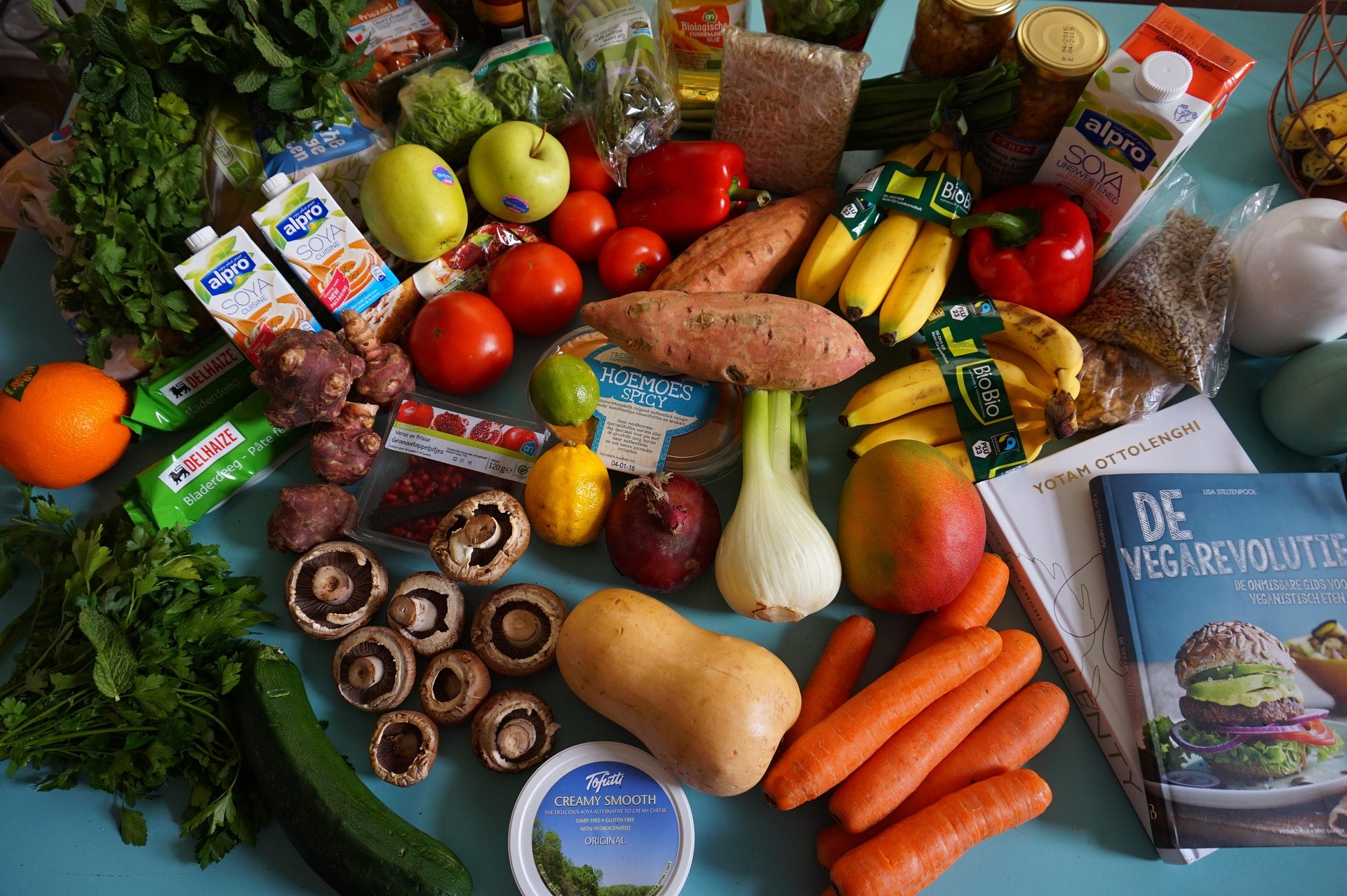
Another good news is that you do not need complicated recipes or imported foods to get started. Ordinary foods such as eggs, beans, vegetables, fish, oats, fruits and whole grains can form the foundation of a healthy weight loss diet.
In this guide, you will discover how to build a healthy meal plan, the best foods to include, what to eat at different times of the day and practical ways to make your weight loss journey easier.
What Is a Good Meal Plan for Weight Loss?
A good meal plan for weight loss is an organized eating routine that provides your body with essential nutrients while helping you consume fewer calories than you use.
This difference is known as a calorie deficit. What it means is that your body uses more energy than it receives from food and drinks, encouraging it to use stored energy over time.
However, creating a calorie deficit does not mean eating as little as possible.
Your body still needs adequate protein, carbohydrates, healthy fats, vitamins, minerals and fibre to function properly.
A healthy weight loss meal plan should therefore focus on three important things:
- Nutritional balance: Eating different food groups to provide your body with essential nutrients.
- Portion control: Managing how much food you consume without unnecessarily restricting yourself.
- Consistency: Developing eating habits that you can maintain over an extended period.
For example, someone who regularly eats large portions of rice with very little vegetables may benefit from reducing the rice portion, adding more vegetables and including a source of protein.
This simple adjustment can make a meal more balanced without completely changing the person’s eating habits.
According to the National Institute of Diabetes and Digestive and Kidney Diseases, successful weight management involves choosing a healthy eating pattern that can be maintained over time.
This is why a sustainable approach is generally more useful than following a strict diet that becomes difficult to maintain after a few weeks.
Why Is a Healthy Meal Plan Important for Weight Loss?
Many people are only focused on exercise when trying to lose weight. Although physical activity is beneficial, the food you eat also plays an important role in determining your results.
Without a reasonable eating routine, it can be difficult to maintain the calorie deficit needed for weight loss.
A well-planned diet offers several benefits.
1. Helps You Control Your Calorie Intake
One of the biggest challenges people face when trying to lose weight is consuming more calories than they realize.
For example, frequently eating large portions, drinking sugary beverages and adding excessive cooking oil to meals can increase daily calorie intake.
A proper meal plan helps you become more conscious of these habits.
Instead of eating whatever is available whenever hunger strikes, you have a general idea of what to eat and how much to consume.
2. Reduces Unnecessary Hunger
A common mistake people make is reducing their food intake drastically.
Although this might initially reduce their calorie consumption, it can leave them constantly hungry and increase the temptation to overeat later.
Including protein-rich foods and fibre in your meals can help you feel satisfied for longer.
Good examples include:
- Boiled eggs.
- Beans and lentils.
- Fish.
- Chicken.
- Oats.
- Vegetables.
- Whole fruits.
These foods provide nutrients that support a balanced eating pattern.
3. Provides Essential Nutrients
Losing weight should not come at the expense of your general health.
Your body needs different nutrients to support muscle function, immunity, digestion, energy production and other important processes.
A balanced meal plan helps ensure that you are not unnecessarily eliminating important food groups.
4. Makes Healthy Eating Easier
When you plan your meals ahead of time, you are less likely to depend on fast food, sugary snacks or other convenient but less nutritious options.
You can also prepare some ingredients in advance, making it easier to maintain your eating routine even when you have a busy schedule.
5. Encourages Long-Term Weight Management
The objective should not simply be to lose weight temporarily.
It is equally important to develop eating habits that help you maintain a healthy weight afterwards.
A flexible meal plan makes this easier because it teaches you how to make better food choices rather than depending on temporary restrictions.
Best Foods to Include in a Good Meal Plan for Weight Loss
Choosing the right foods is one of the most important steps when developing a weight loss diet.
Some foods provide more nutrients and help you feel satisfied without contributing excessive calories.
Below are the major food groups to prioritize.
1. Protein-Rich Foods for Weight Loss
Protein is an essential nutrient that supports muscle maintenance, tissue repair and several other body functions.
It is particularly important during weight loss because adequate protein intake can help preserve muscle while you lose body fat.
Protein-rich foods can also help you feel satisfied after eating.
Consider including:
- Eggs.
- Fish.
- Skinless chicken.
- Beans.
- Lentils.
- Soybeans.
- Unsweetened yoghurt.
- Lean meat.
For people who eat traditional Nigerian meals, beans, fish, eggs and chicken are practical protein options.
You do not necessarily need expensive protein supplements to include sufficient protein in your diet.
2. Vegetables That Support Healthy Weight Loss
Vegetables are excellent additions to a weight loss meal plan because many varieties contain substantial amounts of water and fibre while providing relatively few calories.
Fibre helps support digestion and can contribute to feelings of fullness.
Some useful vegetables include:
- Spinach.
- Ugu leaves.
- Waterleaf.
- Cabbage.
- Cucumber.
- Carrots.
- Broccoli.
- Green beans.
- Garden eggs.
- Tomatoes.
You can incorporate these vegetables into soups, salads, sauces and other everyday meals.
A particularly useful habit is to make vegetables a significant portion of your lunch and dinner.
3. Fruits for a Healthy Weight Loss Diet
Fruits provide vitamins, minerals, water and dietary fibre.
They can also serve as healthier alternatives to many sugary snacks.
However, it is better to eat whole fruits more frequently than relying on fruit juices.
Whole fruits generally contain fibre that helps slow digestion and makes them more satisfying.
Some good choices include:
- Apples.
- Oranges.
- Watermelon.
- Pawpaw.
- Pineapple.
- Guava.
- Bananas.
- Pears.
You do not need to eliminate naturally sweet fruits simply because you are trying to lose weight.
What matters is the overall balance of your diet and the quantity you consume.
4. Whole Grains and Healthy Carbohydrates
One common misconception about weight loss is that carbohydrates must be completely eliminated.
This is unnecessary for most people.
Carbohydrates provide energy, and several carbohydrate-containing foods also supply important nutrients and fibre.
The better approach is to pay attention to the type of carbohydrate and the portion size.
Consider including:
- Oats.
- Brown rice.
- Whole-wheat bread.
- Sweet potatoes.
- Unprocessed maize.
- Whole grains.
- Beans.
Traditional foods such as rice, yam and cassava can also fit into a weight loss diet when eaten in appropriate portions and combined with vegetables and protein.
The important thing is to avoid allowing starchy foods to occupy almost the entire plate.
5. Healthy Fats
Your body needs some dietary fat to support normal body functions, including the absorption of certain vitamins.
However, fats are energy-dense, meaning that relatively small quantities contain considerable calories.
Good sources include:
- Avocados.
- Groundnuts.
- Almonds.
- Seeds.
- Olive oil.
- Small quantities of other vegetable oils.
The goal is not to eliminate fats but to consume reasonable portions.
For example, adding a small amount of groundnuts to your diet can provide healthy fats, but eating large quantities regularly may increase your calorie intake considerably.
How to Balance Your Meals for Effective Weight Loss
Knowing which foods are healthy is important, but understanding how to combine them is equally necessary.
A meal can contain nutritious ingredients and still provide more calories than you need if the portions are too large.
One practical approach is the healthy plate method.
This method divides your plate into different sections to help you create balanced meals without necessarily counting every calorie.
The Healthy Plate Method
For lunch and dinner, use the following proportions as a starting point:
| Food Group | Portion of Plate | Examples |
|---|---|---|
| Vegetables | ½ plate | Ugu, cabbage, carrots, spinach |
| Protein | ¼ plate | Fish, eggs, chicken, beans |
| Carbohydrates | ¼ plate | Rice, yam, sweet potatoes, whole grains |
This arrangement encourages you to consume more vegetables while keeping starchy foods and protein in reasonable proportions.
For example, instead of eating a large plate of white rice with a small piece of meat, you could reduce the rice portion, add steamed vegetables and include a reasonable serving of grilled fish.
The meal remains satisfying while providing a better nutritional balance.
Remember that these proportions are a practical guide, not rigid rules. Your individual food requirements will depend on factors such as your age, body size, activity level and health circumstances.
How to Apply the Healthy Plate Method to Nigerian Meals
You do not have to abandon Nigerian food to achieve your weight loss goals.
Many traditional meals can be adjusted to support healthier eating.
Here are some examples:
| Common Nigerian Meal | Healthier Weight Loss Adjustment |
|---|---|
| White rice and stew | Moderate rice portion with more vegetables and fish |
| Eba and soup | Smaller swallow portion with vegetable-rich soup and fish |
| Yam and egg sauce | Moderate yam portion with vegetable-rich egg sauce |
| Beans and plantain | More beans, moderate boiled plantain |
| Jollof rice | Smaller rice portion with vegetables and grilled chicken |
| Moi moi | Combine with vegetables and a reasonable portion of pap |
| Boiled potatoes | Serve with vegetables and boiled eggs |
The objective is not to label traditional foods as unhealthy.
Instead, learn how to prepare and combine them in ways that support your nutritional needs and weight loss goals.
How to Choose the Right Portion Sizes for Weight Loss
Even when you choose healthy foods, eating excessively large portions can make weight loss difficult.
This is because your total calorie intake still matters.
For example, groundnuts, avocados and vegetable oils can be nutritious, but consuming large quantities may significantly increase your daily calorie intake.
Here are some practical ways to manage your portions:
- Use smaller plates: This can help you serve more manageable portions.
- Measure cooking oil: Avoid pouring oil freely when preparing meals.
- Serve food once: Dish out a reasonable portion instead of repeatedly adding more.
- Eat slowly: Give yourself time to recognize when you are becoming satisfied.
- Avoid eating directly from packages: Put snacks into a small bowl so you can monitor how much you consume.
- Pay attention to hunger: Learn to distinguish physical hunger from eating out of boredom.
Another important point is that you do not need to finish everything on your plate when you are already satisfied.
Learning to recognize your body’s hunger and fullness signals can make healthy eating easier.
7-Day Good Meal Plan for Weight Loss
Now that you understand the importance of balanced nutrition, the next step is putting that knowledge into practice.
A good meal plan for weight loss should be simple enough to follow, affordable and flexible enough to accommodate your everyday lifestyle.
The following 7-day meal plan combines protein-rich foods, vegetables, fruits and moderate portions of carbohydrates. It also includes familiar Nigerian foods, making it easier for people who prefer traditional meals to maintain a healthy eating routine.
You do not have to follow the meals exactly as written. You can exchange similar foods depending on availability, personal preferences and your budget.
Important: The portions below are general examples, not a personalized calorie prescription. Your actual food requirements will depend on your age, body weight, height, activity level and health circumstances.
Monday: Healthy Weight Loss Meal Plan
Breakfast:
- Two boiled eggs.
- One slice of whole-wheat bread.
- One small orange.
- A glass of water.
Lunch:
- A moderate portion of brown or white rice.
- Grilled fish.
- Steamed vegetables or vegetable salad.
Dinner:
- Vegetable soup containing ugu or spinach.
- A small portion of boiled yam.
- Fish or lean meat.
Optional snack:
- One small apple or a handful of groundnuts.
Monday’s meal combination provides protein, fibre and carbohydrates to support energy and fullness throughout the day.
Tuesday: Healthy Weight Loss Meal Plan
Breakfast:
- A bowl of unsweetened oats.
- A small banana.
- A boiled egg.
Lunch:
- Beans porridge prepared with a moderate amount of oil.
- A small portion of boiled plantain.
- Cucumber slices.
Dinner:
- Grilled chicken.
- Steamed vegetables.
- A moderate portion of boiled sweet potatoes.
Optional snack:
- Pawpaw slices.
Beans are particularly useful because they provide both protein and dietary fibre.
Wednesday: Healthy Weight Loss Meal Plan
Breakfast:
- Two slices of whole-wheat bread.
- One boiled egg.
- Unsweetened tea.
Lunch:
- A moderate portion of jollof rice.
- Grilled fish or chicken.
- Fresh vegetable salad.
Dinner:
- Moi moi.
- Vegetable salad.
- A small portion of fruit.
Optional snack:
- One orange or a small serving of unsweetened yoghurt.
This combination allows you to enjoy familiar meals while keeping portions manageable.
Thursday: Healthy Weight Loss Meal Plan
Breakfast:
- Unsweetened pap.
- One serving of moi moi.
- A small portion of fruit.
Lunch:
- Boiled unripe plantain.
- Vegetable sauce.
- Grilled fish.
Dinner:
- Vegetable soup.
- A moderate portion of wheat or another swallow of your choice.
- Fish or lean meat.
Optional snack:
- Cucumber or carrots.
Unripe plantain can provide carbohydrates and fibre, while the vegetables and protein help make the meal more balanced.
Friday: Healthy Weight Loss Meal Plan
Breakfast:
- Two boiled eggs.
- One small boiled sweet potato.
- One apple.
Lunch:
- Beans.
- A moderate portion of boiled rice.
- Vegetable salad.
Dinner:
- Grilled chicken or fish.
- Steamed cabbage and carrots.
- A small portion of boiled potatoes.
Optional snack:
- A small handful of groundnuts.
Saturday: Healthy Weight Loss Meal Plan
Breakfast:
- A bowl of oats.
- A small banana.
- A serving of unsweetened yoghurt.
Lunch:
- A moderate portion of eba.
- Vegetable-rich okra soup.
- Fish or lean meat.
Dinner:
- Vegetable omelette prepared with minimal oil.
- One slice of whole-wheat bread.
- Fresh cucumber.
Optional snack:
- Watermelon slices.
Sunday: Healthy Weight Loss Meal Plan
Breakfast:
- Two boiled eggs.
- One slice of whole-wheat bread.
- A small orange.
Lunch:
- A moderate portion of white rice.
- Vegetable-rich stew.
- Grilled chicken or fish.
Dinner:
- Beans porridge or moi moi.
- Fresh vegetable salad.
Optional snack:
- Pawpaw or an apple.
Sunday’s meal plan demonstrates that you can still enjoy ordinary family meals without abandoning your weight management goals.
Summary of the 7-Day Weight Loss Meal Plan
For easier reference, here is a simplified version of the weekly meal schedule.
| Day | Breakfast | Lunch | Dinner |
|---|---|---|---|
| Monday | Eggs, bread and orange | Rice, fish and vegetables | Vegetable soup and yam |
| Tuesday | Oats, banana and egg | Beans and plantain | Chicken and sweet potatoes |
| Wednesday | Whole-wheat bread and egg | Jollof rice and fish | Moi moi and salad |
| Thursday | Pap and moi moi | Plantain and fish sauce | Vegetable soup and swallow |
| Friday | Eggs and sweet potatoes | Beans and rice | Grilled fish and vegetables |
| Saturday | Oats, banana and yoghurt | Eba and okra soup | Vegetable omelette |
| Sunday | Eggs, bread and orange | Rice, stew and chicken | Beans or moi moi |
A helpful reminder: You do not have to eat three large meals every day. Some people prefer three meals, while others prefer smaller meals with one or two snacks. Choose a routine that helps you manage hunger and maintain a balanced calorie intake.
Best Nigerian Foods to Include in a Good Meal Plan for Weight Loss
One of the reasons some people struggle with weight loss diets is that they follow meal plans containing foods they cannot easily find or afford.
Fortunately, you can build a healthy weight loss diet using ordinary Nigerian foods.
Here are some practical options.
1. Beans
Beans are among the most useful foods to include in a Nigerian weight loss meal plan.
They provide plant-based protein and dietary fibre, both of which can contribute to fullness.
You can enjoy beans in different ways:
- Beans porridge.
- Boiled beans with vegetables.
- Moi moi.
- Beans and a moderate portion of plantain.
Try to avoid excessive palm oil when preparing beans porridge.
2. Fish
Fish provides protein and can be prepared in different ways without requiring excessive cooking oil.
Good options include:
- Titus fish.
- Mackerel.
- Catfish.
- Sardines.
- Tilapia.
Grilling, steaming and boiling are useful preparation methods.
3. Ugu and Other Leafy Vegetables
Ugu, spinach and other leafy vegetables provide vitamins, minerals and fibre.
They can be added to soups, vegetable sauces and other meals.
Rather than preparing soups with very little vegetables and excessive oil, increase the vegetable content and use reasonable amounts of cooking oil.
4. Sweet Potatoes
Sweet potatoes provide carbohydrates, fibre and other nutrients.
They can be boiled or baked and served with eggs, fish or vegetables.
However, remember that sweet potatoes still contain calories. Eating excessively large portions will not automatically support weight loss simply because they are nutritious.
5. Garden Eggs and Cucumber
These are convenient options for people who want light snacks between meals.
They contain water and provide relatively few calories compared with many processed snacks.
You can eat them between meals or include them in salads.
6. Moi Moi
Moi moi is another useful Nigerian food because it is made primarily from beans.
It provides protein and fibre and can form part of a balanced breakfast or lunch.
However, the ingredients and cooking method matter. Excessive oil and large portions can increase its calorie content.
Foods and Drinks to Limit When Trying to Lose Weight
You do not necessarily have to eliminate every food you enjoy to lose weight.
However, some foods and drinks can make it difficult to maintain the calorie deficit required for weight loss, particularly when consumed frequently or in large quantities.
Here are some items worth limiting.
1. Sugary Drinks
Soft drinks, sweetened beverages and heavily sweetened fruit juices can contribute considerable calories without providing the same fullness as whole foods.
Instead, consider:
- Plain drinking water.
- Unsweetened tea.
- Water infused with cucumber.
- Other drinks without added sugar.
2. Deep-Fried Foods
Foods such as fried chicken, fried plantain, fried yam and fried snacks can contain considerable amounts of oil.
You do not have to avoid them completely, but reducing how frequently you eat them can help manage your calorie intake.
Consider grilling, boiling, steaming or baking more frequently.
3. Excessive White Bread and Pastries
White bread, cakes, doughnuts and similar pastries can be easy to over-consume.
They are not automatically forbidden during weight loss, but they should not dominate your everyday eating routine.
Choose whole-grain alternatives when available.
4. Excessive Alcohol
Alcoholic beverages can add calories to your diet. Alcohol may also affect food choices and encourage unnecessary snacking.
Reducing or avoiding alcohol can make weight management easier.
5. Highly Processed Snacks
Biscuits, sweets, crisps and packaged snacks can contribute substantial calories, especially when eaten frequently.
Instead, consider keeping healthier alternatives available, such as:
- Fruits.
- Unsweetened yoghurt.
- Cucumber.
- Carrots.
- Small portions of groundnuts.
The aim is to improve your everyday choices rather than develop an unhealthy fear of particular foods.
Practical Tips for Making Your Weight Loss Meal Plan Successful
Having a meal plan is a good starting point, but following it consistently is what makes the difference.
You do not need to make dramatic changes overnight. Small improvements in your daily routine can gradually produce meaningful results.
Here are some practical recommendations.
1. Drink Enough Water
Water supports several important body functions, including digestion and temperature regulation.
Drinking water regularly can also help you distinguish thirst from hunger.
Make plain water your primary drink instead of frequently consuming sugary beverages.
There is no universal amount that everyone must drink daily. Your needs will depend on your body size, activity level, weather and health circumstances.
2. Avoid Skipping Meals to Lose Weight
Skipping meals is not a requirement for weight loss.
Some people find that skipping meals makes them excessively hungry later, leading to larger portions or unnecessary snacking.
Instead, develop a meal schedule that works with your daily activities.
If you are comfortable eating three balanced meals, you can maintain that routine.
If you prefer two larger meals, that may also work, provided you meet your nutritional needs.
3. Exercise Regularly
Physical activity complements a healthy eating plan.
You do not necessarily need an expensive gym membership to become more active.
Consider:
- Walking for 30 minutes.
- Cycling.
- Dancing.
- Swimming.
- Climbing stairs.
- Bodyweight exercises.
Strength training is also useful because it helps maintain and build muscle.
Combining regular physical activity with balanced eating can support long-term weight management.
4. Get Enough Sleep
Sleep is another important part of maintaining a healthy lifestyle.
Poor sleep can affect appetite regulation, energy levels and your ability to maintain healthy habits.
Try to establish a consistent sleeping routine and aim for approximately seven to nine hours of sleep each night if you are an adult.
5. Plan Your Meals Ahead of Time
Meal preparation can make healthy eating more convenient.
For example, you can:
- Boil eggs ahead of time.
- Cook beans in batches.
- Wash and store vegetables.
- Prepare fish or chicken for several meals.
- Keep fruits available for snacks.
This reduces the temptation to depend on convenient processed foods whenever you are hungry.
6. Monitor Your Progress
Weight loss does not always happen at the same rate.
Some weeks you may notice changes, while other weeks your weight may remain relatively stable.
Instead of becoming discouraged, monitor your progress over time.
You can:
- Check your weight periodically under similar conditions.
- Measure your waist.
- Observe how your clothes fit.
- Monitor your energy levels.
- Pay attention to improvements in your eating habits.
Remember that the number on the weighing scale is not the only indicator of progress.
7. Be Patient and Consistent
One of the biggest mistakes people make is expecting immediate results.
Healthy weight loss generally takes time.
You may not notice significant changes after a few days, but consistent improvements in your eating habits can produce results over several weeks and months.
Avoid comparing your progress with someone else’s.
Your body, lifestyle and nutritional requirements are different.
Common Weight Loss Mistakes to Avoid
Even with a good meal plan for weight loss, certain habits can make your journey unnecessarily difficult.
Here are some mistakes worth avoiding.
1. Completely eliminating carbohydrates: Carbohydrates are an important source of energy. You can lose weight without eliminating rice, yam, potatoes or other carbohydrate-containing foods.
2. Eating too little: Severe food restriction can lead to nutritional deficiencies, fatigue and difficulty maintaining your eating routine.
3. Depending on weight loss teas: Many products marketed as fat-burning teas have little reliable evidence supporting their effectiveness. Some contain laxatives or other ingredients that can cause unwanted effects.
4. Drinking fruit juice instead of eating whole fruits: Whole fruits generally provide more fibre and can be more satisfying.
5. Expecting exercise to compensate for excessive eating: Physical activity is beneficial, but regularly consuming more calories than your body uses can still prevent weight loss.
6. Following somebody else’s diet blindly: A meal plan that works for another person may not meet your nutritional requirements.
7. Giving up after occasional unhealthy meals: Eating something outside your meal plan does not mean you have failed. Simply return to your normal healthy routine at the next meal.
Frequently Asked Questions About a Good Meal Plan for Weight Loss
1. What Is the Best Meal Plan for Weight Loss?
The best meal plan for weight loss is one that provides balanced nutrition while helping you maintain a reasonable calorie deficit.
It should include vegetables, fruits, protein-rich foods, whole grains and healthy fats.
It should also be practical enough to maintain over an extended period.
2. What Should I Eat Every Morning to Lose Weight?
Good breakfast options include:
- Boiled eggs and whole-wheat bread.
- Oats and fresh fruits.
- Moi moi and unsweetened pap.
- Unsweetened yoghurt and fruit.
- Boiled sweet potatoes and eggs.
Choose meals that provide protein and fibre to help keep you satisfied.
3. Can I Eat Rice and Still Lose Weight?
Yes. You can eat rice and still lose weight.
The important factors are portion size, preparation method and what you eat alongside it.
Consider combining moderate portions of rice with vegetables and protein such as fish or chicken.
You do not have to eliminate white rice completely.
4. Which Nigerian Food Is Good for Weight Loss?
Several Nigerian foods can fit into a healthy weight loss diet.
Examples include:
- Beans.
- Moi moi.
- Fish.
- Boiled plantain.
- Sweet potatoes.
- Vegetable soups.
- Garden eggs.
- Ugu and other leafy vegetables.
How these foods are prepared and the portions you consume are equally important.
5. Should I Stop Eating at Night to Lose Weight?
No. You do not necessarily have to stop eating at night to lose weight.
What matters more is your overall food intake and nutritional balance throughout the day.
However, eating very large meals late at night may be uncomfortable for some people, particularly before bedtime.
Choose a reasonable dinner portion that fits your daily needs.
6. How Many Meals Should I Eat Per Day to Lose Weight?
There is no fixed number of meals that works for everyone.
Some people prefer three meals daily, while others prefer two meals and a snack.
The most important thing is maintaining an eating pattern that provides sufficient nutrients and helps you manage your overall calorie intake.
7. Can I Lose Weight Without Exercising?
Yes, weight loss is possible without structured exercise if you consistently consume fewer calories than your body uses.
However, regular physical activity offers additional health benefits, including improved cardiovascular fitness, muscle strength and general wellbeing.
Combining healthy eating with physical activity is a useful approach to long-term weight management.
8. How Long Does It Take to See Results From a Weight Loss Meal Plan?
The time required to notice results varies from person to person.
Factors such as starting weight, eating habits, physical activity, sleep and health conditions can influence progress.
A gradual approach is generally more sustainable than attempting to lose weight rapidly.
9. Can I Eat Fruits Every Day While Trying to Lose Weight?
Yes. Whole fruits can be part of a healthy weight loss diet.
Fruits such as oranges, apples, pawpaw, watermelon and guava provide vitamins, minerals and fibre.
Enjoy them in reasonable portions and prioritise whole fruits over sugary fruit drinks.
10. Is It Possible to Lose Weight Without Starving Myself?
Absolutely.
Healthy weight loss does not require constant hunger or extreme food restriction.
Eating balanced meals containing vegetables, protein, fibre and appropriate portions of carbohydrates can help you manage your weight while providing your body with essential nutrients.
Conclusion: Build a Good Meal Plan for Weight Loss That You Can Maintain
Losing weight does not have to involve complicated diets, expensive food products or extreme restrictions.
A good meal plan for weight loss starts with understanding your nutritional needs, choosing healthier foods, controlling portions and developing habits you can maintain.
As this guide has shown, you can build a balanced weight loss diet using ordinary foods such as beans, eggs, fish, vegetables, fruits, rice and sweet potatoes.
You do not have to abandon Nigerian meals or completely eliminate carbohydrates to make progress.
Start by making small changes. Reduce excessive portions, include more vegetables in your meals, choose healthier cooking methods and become more physically active.
Most importantly, give yourself time to adjust.
The goal is not simply to lose weight for a few weeks but to develop a healthier lifestyle that you can maintain for years.
If you have an existing medical condition, are pregnant or breastfeeding, or have specific nutritional needs, consult a qualified healthcare professional or registered dietitian before making significant dietary changes.
Remember: Sustainable weight loss is not about eating as little as possible. It is about eating better, making informed choices and remaining consistent.
You can also check out our related post below.