
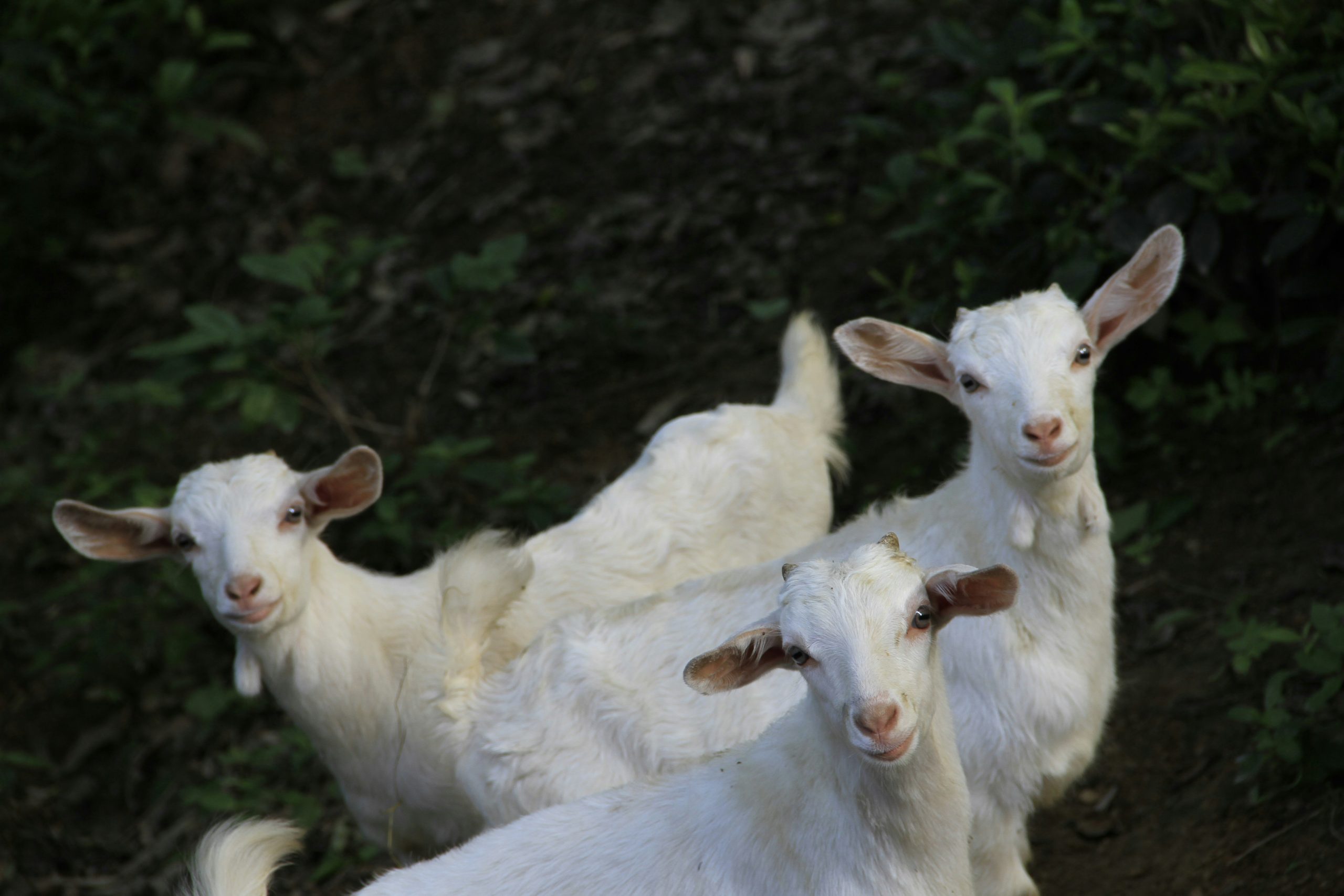
How to Properly Take Care of Goats When They Give Birth: Essential Guide
Understanding why Proper Goat Birth Care Is Important
The birth of a baby goat is an exciting moment for any goat farmer. Therefore, how to carefully take care of goats when they give birth is a knowledge that shouldn’t be neglected. Whether you are raising goats for meat, milk, breeding or commercial purposes, welcoming new kids into your herd represents an opportunity to increase productivity and expand your livestock business.
However, successful goat farming does not end when a pregnant goat delivers her babies. In fact, the hours immediately following delivery are among the most important periods in the life of both the mother goat and her newborn kids.
Without proper attention, newborn goats can become weak, develop infections, suffer from hypothermia or even die from complications that could have been prevented. Similarly, a mother goat that does not receive appropriate care after delivery may experience infections, poor milk production, nutritional deficiencies and other health problems.
The good news is that caring for a goat after giving birth does not necessarily require expensive equipment or complicated veterinary procedures. With a clean environment, adequate nutrition, careful observation and timely intervention, farmers can significantly improve the chances of survival for both the mother and her babies.
Whether you are an experienced livestock farmer or someone raising goats on a small scale at home, understanding the right procedures can make a considerable difference.
In this guide, we will explain how to properly take care of goats when they give birth, covering everything from immediate newborn care to feeding, hygiene, postpartum recovery and common problems to watch out for.
How to Properly Take Care of Goats When They Give Birth
Taking care of a goat during and immediately after delivery requires patience and attention. Although goats are generally capable of delivering without human assistance, farmers should remain available to identify complications and provide help when necessary.
The first priority is to ensure that the mother and her newborn kids are safe, comfortable and able to begin the bonding and nursing process.
Here are the important steps to follow.
1. Provide a Clean and Comfortable Environment
One of the first things to consider when a goat is about to give birth is the cleanliness of its surroundings.
A dirty environment exposes newborn kids to bacteria and other harmful microorganisms. Since their immune systems are still developing, they are particularly vulnerable to infections during their first few days of life.
Before delivery, prepare a separate area where the pregnant goat can give birth without unnecessary disturbance.
The area should have:
-
Clean and dry bedding: Use clean straw, dry grass or other suitable bedding materials to provide a comfortable surface.
-
Adequate ventilation: The enclosure should have fresh air circulation without exposing the animals to strong, direct drafts.
-
Protection from rain: Ensure that rainwater cannot enter the sleeping or delivery area.
-
Protection from extreme temperatures: Newborn kids need a warm environment, particularly during cold weather.
-
Enough space: The mother should be able to lie down, stand up and attend to her babies comfortably.
-
Protection from other animals: Separate the mother and newborns from aggressive goats that might disturb or injure them.
Remove wet bedding, droppings and leftover food regularly. Keeping the area clean helps reduce the risk of infections and gives newborn kids a healthier start.
2. Check the Newborn Kids Immediately After Delivery
After delivery, the mother goat will normally begin licking her newborn babies. This behaviour helps remove birth fluids, dries their bodies and encourages the establishment of a bond between the mother and her kids.
In most cases, you should allow the mother to perform this natural activity without unnecessary interference.
However, you should observe the newborns carefully to ensure that everything is progressing normally.
Pay attention to the following:
-
Check their breathing: Make sure each kid is breathing normally. If mucus is blocking the nose or mouth, gently clear visible material using a clean cloth.
-
Allow the mother to lick them: This helps stimulate the newborn and encourages maternal bonding.
-
Dry wet bodies when necessary: If a kid remains excessively wet, gently dry it with a clean towel, especially during cold or rainy weather.
-
Check their movement: Healthy newborn kids should gradually begin moving their legs and attempting to stand.
-
Observe their alertness: A newborn that remains unusually weak, unresponsive or unable to lift its head needs attention.
Avoid swinging newborn goats upside down to make them breathe. This outdated practice can cause injury and does not provide a safe substitute for clearing an obstructed airway or obtaining veterinary assistance.
If a kid is struggling to breathe despite gentle clearing of visible mucus, seek veterinary help immediately.
3. Disinfect the Umbilical Cord to Prevent Infection
Another important aspect of newborn goat care is looking after the umbilical cord.
The umbilical cord is the connection through which the unborn kid receives nutrients from its mother. After birth, the remaining cord becomes an opening through which harmful bacteria can enter the newborn’s body.
If bacteria enter through an improperly managed navel, the kid may develop an infection commonly known as navel ill.
This condition can become serious, particularly when the infection spreads to the joints or other parts of the body.
To reduce the risk:
-
Examine the umbilical cord for excessive bleeding.
-
If it is unusually long and likely to drag on the ground, seek guidance on trimming it safely with clean, disinfected scissors.
-
Apply an appropriate veterinary-recommended navel disinfectant.
-
Keep the kid in a clean, dry environment while the navel heals.
-
Monitor the area for swelling, redness, discharge or unpleasant smells.
There are different recommendations regarding the concentration of iodine used for navel treatment. Some veterinary references recommend stronger iodine solutions, while others warn that excessively concentrated disinfectants may irritate the tissue.
Therefore, use a product specifically suitable for newborn livestock and follow its veterinary instructions rather than improvising a chemical mixture.
4. Make Sure Every Newborn Receives Colostrum
If there is one thing every goat farmer should prioritize after delivery, it is ensuring that newborn kids receive enough colostrum.
Colostrum is the thick, yellowish first milk produced by the mother goat immediately after giving birth. Unlike ordinary milk, it contains concentrated antibodies, nutrients and other protective substances that help newborn kids fight infections.
Newborn goats are born with very limited maternal antibody protection circulating in their blood. Colostrum provides an essential early source of immunity.
This is why the timing of the first feeding matters so much.
Healthy kids should ideally suckle within the first 30 minutes to two hours after birth. Their ability to absorb protective antibodies decreases rapidly as they grow older, making early feeding extremely important.
How to ensure newborn goats receive enough colostrum:
-
Check that each kid can locate the mother’s udder.
-
Ensure the teats are not blocked by dried secretions.
-
Help weaker kids reach the udder when necessary.
-
Observe whether each kid is actually sucking and swallowing.
-
If a kid cannot suckle, obtain suitable colostrum and seek guidance on safe bottle feeding.
A weak kid that cannot suckle should not simply be left alone with the assumption that it will eventually feed.
Bottle feeding may be necessary, but stomach-tube feeding should only be performed by someone properly trained because incorrect placement can cause serious complications.
According to the Alabama Cooperative Extension System’s guide to goat kidding and newborn care, ensuring adequate colostrum intake within the first two hours is one of the most important procedures for newborn kid survival.
Remember: A newborn goat that has not received colostrum is at greater risk of developing infections and suffering from poor early development.
5. Keep Newborn Kids Warm and Dry
Temperature management is another important part of caring for newborn goats.
Immediately after delivery, kids are wet and can lose body heat quickly. This becomes particularly dangerous during cold weather, heavy rainfall or when they are born in damp environments.
A newborn goat that becomes excessively cold may develop hypothermia, a condition in which its body temperature drops below the normal level.
Weakness, difficulty standing, poor sucking ability and reduced responsiveness may be signs that something is wrong.
To keep newborn kids warm:
-
Provide clean, dry bedding.
-
Protect them from rain and cold drafts.
-
Dry their bodies when necessary.
-
Keep them close to their mother.
-
Provide additional warmth when the weather is particularly cold.
-
Check weak or smaller kids more frequently.
If using a heating lamp, position it safely to prevent burns and fire hazards. Make sure the kids can move away from the heat source if they become uncomfortable.
Do not assume that every weak newborn is simply tired. A kid that is cold, unable to suckle or unusually inactive requires prompt attention.
6. Check the Mother Goat’s Condition After Delivery
While farmers often concentrate on the newborn kids, the mother goat also needs considerable attention after giving birth.
Delivery requires physical effort, and the mother may be exhausted immediately afterwards. She needs access to clean drinking water, good-quality feed and a comfortable resting environment.
Start by observing her general condition.
A mother goat recovering normally should gradually become more comfortable, show interest in her surroundings and begin eating and drinking again.
Important things to do include:
-
Provide fresh, clean drinking water immediately after delivery.
-
Offer good-quality hay or suitable fresh forage.
-
Allow her to rest in a clean and comfortable enclosure.
-
Check that she is willing to stand and walk.
-
Examine her udder for abnormal swelling, heat or pain.
-
Observe whether she accepts and allows her newborn kids to suckle.
A bucket of comfortably warm water may encourage a tired mother goat to drink, particularly when the weather is cool.
Avoid forcing large quantities of feed immediately after delivery. Allow her appetite to return naturally while ensuring that nutritious feed and water remain available.
The mother should also be monitored for abnormal vaginal discharge, persistent straining, fever, loss of appetite or unusual weakness.
These symptoms may indicate complications that require veterinary attention.
7. Make Sure the Mother Accepts Her Babies
Sometimes a mother goat may show little interest in her newborn kids, particularly if she is inexperienced or has experienced a difficult delivery.
In normal circumstances, the mother should begin licking, smelling and interacting with her babies shortly after birth.
This interaction is important because it helps establish a maternal bond and encourages the kids to remain close enough to suckle.
However, if the mother appears uninterested, observe the situation carefully.
You can help by:
-
Placing the newborn kids close to the mother’s head so she can smell them.
-
Allowing her enough time to become familiar with them.
-
Helping the kids approach her udder.
-
Providing a quiet environment without unnecessary human interference.
-
Watching to ensure she does not kick, reject or deliberately injure them.
If the mother repeatedly rejects her babies or prevents them from feeding, separate them temporarily if necessary and seek appropriate advice on feeding and maternal management.
Do not leave rejected newborns without an alternative feeding arrangement. They still need colostrum and regular milk.
8. Observe the Afterbirth and Placenta
After giving birth, the mother goat will normally expel the placenta, commonly called the afterbirth.
The placenta is the tissue that supported the development of the babies during pregnancy. Its expulsion is a normal part of the delivery process.
Most goats pass the placenta within several hours after kidding, although the exact timing can vary.
As a farmer, you should observe the process without unnecessarily interfering.
Here are some important precautions:
-
Do not pull the placenta forcefully, even if it appears to be hanging from the mother’s reproductive opening.
-
Keep the delivery area clean.
-
Observe whether the mother continues to strain after delivery.
-
Watch for unusual bleeding or foul-smelling discharge.
-
Contact a veterinarian if the placenta has not passed within approximately 12 hours or if the mother shows signs of illness.
Retained placenta can increase the risk of reproductive tract infections, so it should not be ignored.
Important: Do not attempt to remove retained placenta manually without veterinary guidance. Pulling it can cause serious injury.
What Comes Next in Goat Birth Care?
The first hours after delivery establish the foundation for healthy newborn kids and a successful recovery for the mother goat. However, proper care should not stop there.
During the following days and weeks, farmers must pay attention to feeding routines, milk production, hygiene, nutritional requirements and early signs of disease.
Feeding and Daily Management
After successfully handling the delivery process, the next responsibility is ensuring that both the mother goat and her newborn kids receive proper care throughout the days and weeks following birth.
This period is important because newborn goats are growing rapidly, while the mother needs sufficient nutrients to recover from delivery and produce enough milk for her babies.
Neglecting feeding, hygiene and regular observation during this stage can affect the health and development of the entire herd.
Let’s look at other important practices every goat farmer should understand.
1. How to Feed Newborn Goats Properly After Birth
Feeding is one of the most important aspects of newborn goat care. Although kids may begin attempting to suckle shortly after delivery, their feeding requirements change as they grow.
During their first few weeks, milk provides almost all the nutrients they need.
If the mother is healthy and producing enough milk, allowing the kids to suckle naturally is usually the simplest approach.
However, farmers should not assume that every newborn is receiving enough milk simply because it is staying close to its mother.
Pay attention to these feeding practices:
-
Allow frequent suckling: Newborn kids generally need to feed several times throughout the day and night.
-
Monitor milk intake: Observe whether their stomachs appear comfortably full after feeding and whether they remain active.
-
Check the mother’s teats: Ensure that milk can flow freely and that the udder is not excessively swollen or painful.
-
Watch weaker kids: Smaller kids and those born last may struggle to compete with stronger siblings.
-
Maintain cleanliness: Keep feeding equipment clean if bottle feeding becomes necessary.
If the mother cannot produce enough milk, rejects her babies or dies after delivery, a suitable goat milk replacer may be necessary.
Use a product specifically formulated for goat kids and follow its feeding instructions. Avoid randomly substituting cow’s milk or preparing homemade mixtures without reliable nutritional guidance.
As the kids grow, they will gradually begin exploring solid feed. Introduce clean water, good-quality hay and appropriate starter feed as they become interested.
Early exposure to suitable solid feed helps their digestive systems adapt to the transition from milk to a more varied diet.
2. What to Feed a Mother Goat After Giving Birth
A mother goat needs proper nutrition after delivery because her body has just undergone considerable physical stress and must now produce milk for her newborn kids.
Insufficient feeding during this period can result in weight loss, reduced milk production and poor recovery.
The best approach is to provide a balanced diet containing adequate energy, protein, minerals and vitamins.
Some suitable feed options include:
-
Good-quality grass or hay: Provides fibre that supports proper digestion and rumen function.
-
Fresh forage: Suitable green fodder can provide additional nutrients when it is clean and not contaminated.
-
Moderate amounts of concentrate: Depending on the goat’s body condition and milk production, appropriate grain-based supplements can help meet increased energy requirements.
-
Clean drinking water: Milk production requires adequate water intake, so fresh water should always be available.
-
Appropriate mineral supplements: Goat-specific mineral mixtures help supply essential minerals that may be lacking in ordinary forage.
Avoid suddenly increasing the amount of grain immediately after delivery. Introduce dietary changes gradually to reduce the risk of digestive problems.
Also, do not feed goats mouldy, rotten or contaminated food.
An important point for Nigerian goat farmers: During the dry season, when fresh grasses may become scarce, stored hay, suitable crop residues and properly formulated supplementary feeds can help maintain nutritional intake.
However, not all crop residues provide adequate nutrition on their own. A balanced feeding programme is important, especially for mothers nursing multiple kids.
3. How to Care for Mother Goats Giving Birth to Twins or Triplets
It is common for goats to give birth to twins, while some breeds and individual animals can produce triplets.
Although having multiple kids can be beneficial for a farmer who wants to increase herd size, it also creates additional responsibilities.
The main concern is ensuring that every newborn receives sufficient milk and attention.
When a goat gives birth to twins or triplets:
-
Check each kid individually to ensure it is breathing and moving normally.
-
Confirm that every kid receives enough colostrum.
-
Observe whether weaker kids are being pushed away by stronger siblings.
-
Check the mother’s udder to ensure that both teats are functional.
-
Monitor the mother’s body condition and appetite.
-
Provide adequate nutrition to support the increased demand for milk.
If the mother does not produce enough milk for all her babies, supplementary feeding may be necessary.
Do not automatically remove one kid from the mother simply because she has given birth to triplets. First assess her milk production and the condition of each baby.
A healthy mother with sufficient milk may successfully raise all three.
However, where supplementary feeding is required, make sure that the weaker kids receive adequate attention.
4. How to Maintain Hygiene Around Newborn Goats
Cleanliness remains important throughout the first few weeks after delivery.
Newborn kids are more vulnerable to infections than mature goats, and dirty bedding, contaminated water and poor feeding practices can expose them to harmful microorganisms.
To maintain proper hygiene:
-
Remove droppings from the sleeping area regularly.
-
Replace wet or dirty bedding with clean, dry materials.
-
Wash feeding bottles and other equipment after use.
-
Provide clean drinking water.
-
Prevent overcrowding in the enclosure.
-
Keep newborn kids away from sick animals.
-
Dispose of contaminated birth materials appropriately.
Pay particular attention to the umbilical cord until it dries and heals.
Also, avoid allowing newborn kids to sleep in areas where urine and droppings accumulate.
A clean environment does not eliminate every disease risk, but it significantly improves the conditions in which young goats develop.
5. Common Health Problems to Watch Out for After Goat Birth
Even when delivery goes smoothly, complications can develop in either the mother or her newborn kids.
Recognizing unusual symptoms early can prevent minor problems from becoming life-threatening.
Here are some conditions goat farmers should understand.
| Health problem | Common warning signs | What to do |
|---|---|---|
| Hypothermia | Cold body, weakness and inability to suckle | Warm the kid safely and seek veterinary assistance |
| Navel infection | Swollen navel, discharge or painful joints | Seek veterinary examination and treatment |
| Diarrhoea | Watery droppings, weakness and dehydration | Assess hydration and obtain veterinary advice |
| Pneumonia | Coughing, difficult breathing and fever | Seek prompt veterinary treatment |
| Mastitis | Hot, swollen, painful udder or abnormal milk | Arrange veterinary examination |
| Retained placenta | Failure to pass the placenta after delivery | Contact a veterinarian |
| Milk deficiency | Persistent crying, weakness and poor growth | Check nursing and arrange supplementary feeding |
Let’s examine some of these problems more closely.
Hypothermia in Newborn Goats
Hypothermia occurs when a newborn kid loses too much body heat.
It is particularly dangerous when kids are born during cold weather or in wet environments.
A severely chilled kid may become too weak to suckle, creating a dangerous situation because it also needs energy to maintain its body temperature.
If you notice signs of hypothermia:
-
Move the kid to a warm, dry environment.
-
Dry its body if it is wet.
-
Provide safe external warmth.
-
Seek veterinary guidance urgently, especially if it is weak or unable to swallow.
Severely chilled newborns may also have low blood glucose. They need appropriate treatment rather than simply being placed near a fire or given milk by force.
Diarrhoea in Newborn Goats
Diarrhoea is another problem that can affect newborn kids.
It may result from infections, contaminated surroundings, feeding problems or other digestive conditions.
The biggest danger is dehydration, which can develop quickly in young animals.
Watch for:
-
Watery droppings.
-
Reduced activity.
-
Loss of appetite.
-
Sunken eyes.
-
Weakness.
-
Difficulty standing.
A kid with diarrhoea should be assessed promptly. Oral electrolytes formulated for livestock may help replace lost fluids, but they do not replace the need for appropriate diagnosis and treatment.
Do not automatically administer antibiotics whenever a kid develops diarrhoea. The cause must first be considered.
Mastitis in Mother Goats
Mastitis is an inflammation of the udder, usually caused by bacterial infection.
It can develop after delivery and interfere with milk production.
Signs include:
-
An unusually hot or swollen udder.
-
Pain when the udder is touched.
-
Hardness in one or both udder halves.
-
Abnormal milk containing clots or blood.
-
Fever and reduced appetite.
If you suspect mastitis, contact a veterinarian. Proper treatment is important for protecting both the mother and her newborn kids.
Metritis (Uterine Infection) in Mother Goats
Metritis is an infection of the uterus that can develop after delivery, particularly when the placenta is retained or the birth process involves complications.
It is a serious condition that should never be ignored.
Warning signs include:
-
Foul-smelling vaginal discharge.
-
Loss of appetite.
-
Fever.
-
Unusual weakness.
-
Reduced milk production.
-
Persistent discomfort.
A mother goat displaying these symptoms needs prompt veterinary examination and appropriate treatment.
For further information about reproductive complications, farmers can consult the Merck Veterinary Manual guide to goat breeding and parturition.
6. Monitor the Growth and Development of Newborn Kids
Taking care of newborn goats also means checking whether they are growing properly.
A kid that feeds regularly, remains active and gains weight is generally more likely to develop successfully than one that struggles to feed or remains unusually weak.
One useful practice is recording the birth weight of every newborn.
Continue monitoring their weight periodically, preferably using the same weighing scale.
Pay attention to:
-
Whether the kid is gaining weight.
-
Whether it suckles regularly.
-
Whether it can stand and walk normally.
-
Whether its eyes appear clear.
-
Whether its droppings look normal.
-
Whether it interacts with its mother and siblings.
If a kid repeatedly loses weight or fails to grow, investigate the possible cause rather than assuming it will eventually improve.
Poor milk intake, intestinal parasites, infections and nutritional deficiencies can all affect development.
When Should You Call a Veterinarian?
Although goats can deliver naturally without human assistance, certain situations require immediate professional attention.
Knowing when to seek veterinary help can save the lives of both the mother and her newborn kids.
Contact a veterinarian if:
-
The mother experiences strong contractions for about 30–60 minutes without delivering a kid.
-
A kid appears stuck during delivery.
-
The mother experiences excessive bleeding.
-
She becomes extremely weak or collapses after delivery.
-
The placenta has not passed within approximately 12–24 hours.
-
The mother develops a fever or foul-smelling discharge.
-
A newborn cannot breathe properly.
-
A newborn refuses to suckle or becomes unusually weak.
-
The mother refuses to eat or drink after delivery.
Do not attempt to pull out a stuck kid or manually remove retained placenta unless you have the necessary training and veterinary guidance.
Some complications can become life-threatening within a short period.
For farmers who have limited access to veterinary services, establishing contact with an experienced livestock health professional before the expected delivery date is a sensible precaution.
Common Mistakes to Avoid When Taking Care of Goats After Giving Birth
Even well-meaning farmers sometimes make mistakes that negatively affect the health of newborn goats and their mothers.
Understanding these mistakes can help you avoid unnecessary losses.
1. Ignoring colostrum feeding
Some farmers assume that newborn kids will automatically receive enough milk from their mothers. However, weaker kids may struggle to suckle and can miss this important early feeding.
2. Keeping newborn kids in wet environments
Damp bedding exposes newborns to cold conditions and increases their risk of infection.
3. Feeding unsuitable food
Mouldy forage, contaminated water and poorly prepared milk substitutes can cause serious health problems.
4. Neglecting the mother goat
Concentrating only on the babies while ignoring the mother’s nutrition and health can affect milk production and recovery.
5. Ignoring unusual symptoms
Persistent weakness, diarrhoea, abnormal discharge and loss of appetite should never be dismissed as normal consequences of delivery.
6. Separating the mother from her babies unnecessarily
Unless there is a medical, management or safety reason, unnecessary separation can interfere with bonding and natural nursing.
7. Administering medication without proper guidance
Giving antibiotics, dewormers or other drugs without knowing the cause of a problem can lead to ineffective treatment and additional complications.
Good goat management is not simply about giving animals food and shelter. It also involves observing their behaviour and responding appropriately when something changes.
Frequently Asked Questions (FAQ)
How long does it take for a goat to recover after giving birth?
Most healthy goats begin recovering immediately after delivery. However, complete recovery depends on their condition before pregnancy, the difficulty of delivery, nutrition and general health.
Farmers should monitor the mother closely during the first few days and continue providing adequate nutrition throughout lactation.
How soon should a newborn goat drink milk after birth?
A newborn kid should ideally receive its first colostrum within the first 30 minutes to two hours after birth.
This first milk provides essential antibodies that help protect the newborn against infections.
How many times should a newborn goat feed daily?
Newborn kids normally suckle several times throughout the day and night. Feeding frequency varies depending on their age, size, milk supply and whether they are naturally raised or bottle-fed.
Should I separate newborn goats from their mother?
Not necessarily. In traditional meat and small-scale goat farming systems, kids are commonly left with their mothers to bond and suckle naturally.
Separation may be necessary in certain management systems or when the mother cannot care for her babies.
What should I give a goat immediately after giving birth?
Provide clean drinking water, good-quality hay or forage and a comfortable resting environment.
You can offer comfortably warm water to encourage drinking. Avoid suddenly introducing large quantities of concentrated feed.
How do I know if a mother goat has enough milk?
Observe whether her kids suckle regularly, appear satisfied after feeding and gain weight.
An udder that is unusually swollen, painful or producing abnormal milk may indicate a health problem rather than simply abundant milk production.
Is it normal for a goat to eat its placenta after giving birth?
Some goats naturally eat their placenta after delivery. Although this behaviour is not unusual, farmers do not need to encourage it.
It is generally preferable to remove the expelled placenta and dispose of it hygienically, keeping it away from other livestock.
How long should newborn goats remain with their mother?
The duration depends on the farming system and the purpose of raising the goats.
In natural rearing systems, kids commonly remain with their mothers for several weeks or months before weaning. Weaning should be based on their age, health, body development and ability to consume sufficient solid feed.
What causes a newborn goat to cry continuously?
A newborn goat may cry because it is hungry, cold, uncomfortable, separated from its mother or experiencing pain.
Check whether it is receiving enough milk, whether its body is warm and whether it shows other signs of illness.
Persistent crying accompanied by weakness or refusal to feed requires attention.
Conclusion: Proper Goat Birth Care Is the Foundation of a Healthy Herd
Taking care of goats when they give birth is one of the most important responsibilities of livestock farming.
Although goats are naturally capable of delivering their babies without much human assistance, the attention they receive immediately before, during and after delivery can significantly influence the survival and development of their newborn kids.
From preparing a clean delivery environment and ensuring adequate colostrum intake to providing nutritious feed, maintaining hygiene and monitoring the mother’s recovery, every stage contributes to successful goat production.
Farmers should also remember that newborn kids and their mothers have different nutritional and health requirements. Both deserve attention, particularly during the first few days after delivery.
Most importantly, never ignore unusual behaviour or signs of illness. Early identification of complications and timely veterinary intervention can prevent avoidable livestock losses.
Whether you are raising two goats in your backyard or managing a larger commercial herd, applying these practices can help you raise healthier kids, protect breeding females and build a more productive goat farming business.
The secret to successful goat birth care is simple: prepare properly, observe carefully, feed adequately and never ignore warning signs.
You can read our related article; how to properly boil eggs so they don’t peel of.